
If you’ve ever ordered Shrimp Lo Mein on a lazy Friday night and thought, “I wish I could make this at home,” you’re in luck. This Shrimp Lo Mein recipe is one of those rare dishes that looks fancy, tastes incredible, but comes together faster than your favorite takeout spot can find your address. We’re talking a rich, glossy sauce that clings to every strand of noodle, tender shrimp, and crisp-tender veggies—all wrapped up in that irresistible umami punch.
The best part? You can have it steaming on your table in about 30 minutes flat. Whether you’re cooking for the family or just craving something cozy and satisfying after a long day, this Shrimp Lo Mein recipe is your new weeknight hero. Let’s dive in and bring those restaurant flavors home—without the delivery fees.
Table of Contents
What is Shrimp Lo Mein?
Shrimp Lo Mein is a classic Chinese-American stir-fry dish featuring noodles tossed in a savory sauce with shrimp and vegetables. “Lo Mein” literally means “tossed noodles,” and that’s exactly what happens here—no deep-frying, no fuss. The noodles get mixed with a simple but powerful sauce made from soy, oyster, and sesame oil, giving that rich, slightly sweet and smoky flavor that’s pure comfort in a bowl.
It’s not traditional Chinese food in the strictest sense—it’s Chinese-American comfort food at its best. And while the dish might look like something you’d have to order from your local takeout joint, making it at home actually gives you fresher, brighter results (and usually costs less than the tip).
Reasons to Try Shrimp Lo Mein
There are plenty of reasons to fall in love with this Shrimp Lo Mein recipe. For starters, it’s ridiculously quick. Once you’ve chopped your veggies, the entire dish comes together in less than 15 minutes. It’s the perfect midweek meal when you’re juggling work, kids, and the eternal question of “what’s for dinner?” Plus, it’s endlessly flexible. Don’t have shrimp? Swap in chicken, tofu, or beef. Need to sneak more veggies into your kids’ diet? Add mushrooms, bell peppers, or even spinach.
This dish doesn’t judge—it just delivers. And if you’re all about that glossy noodle magic, this recipe gets it right every time. It’s also lighter than takeout, with no mystery oil slick on the bottom of your container. Pair it with a light salad or keep it classic with an egg roll on the side—you can’t go wrong.
Ingredients Needed to Make Shrimp Lo Mein
- 1 pound lo mein noodles (fresh if possible)
- Sauce:
- 2 tablespoons light soy sauce
- 1 tablespoon dark soy sauce
- 2 tablespoons Shaoxing wine (or dry sherry)
- 2 tablespoons oyster sauce
- 1 teaspoon granulated sugar
- 1 teaspoon toasted sesame oil
- Pinch of ground white pepper
- Stir-fry:
- 6 scallions
- 3 tablespoons vegetable oil, divided
- 1 cup shredded carrots
- 1 cup snow peas, trimmed
- 8-ounce can water chestnuts, drained
- 8-ounce can bamboo shoots, rinsed and drained
- 1 pound raw shrimp (peeled and deveined, tail on or off)
- 1 tablespoon minced garlic
- 2 teaspoons grated fresh ginger
- 2 cups mung bean sprouts
- Extra soy sauce, chili oil, or rice vinegar for serving
Instructions to Make Shrimp Lo Mein – Step by Step
Step 1: Boil the Noodles
Start with your noodles. Bring a large pot of salted water to a boil and cook your lo mein noodles for about 3 to 5 minutes—just until al dente. Don’t overdo it; you want them firm enough to hold up in the stir-fry later. Once cooked, drain the noodles and give them a quick rinse under cool water to stop the cooking. Set them aside. You can toss them with a splash of sesame oil to prevent sticking if you like. Think of this step as the calm before the flavor storm.
Step 2: Whisk the Sauce
While your noodles are boiling, whisk together the sauce ingredients—light and dark soy sauce, Shaoxing wine, oyster sauce, sugar, sesame oil, and white pepper—in a small bowl. This is the secret weapon of your Shrimp Lo Mein. It’s salty, sweet, rich, and perfectly balanced. You can even make a double batch and store it in the fridge for later; it’s amazing on chicken, tofu, or beef stir-fry.
Step 3: Prep the Vegetables and Shrimp
Slice the scallions, separating the white/light green parts from the darker tops. The whites go in early for flavor; the greens finish the dish with color and freshness. Rinse your shrimp, pat them dry, and season lightly with a pinch of salt and white pepper. Having everything prepped and ready before you start cooking (what chefs call “mise en place”) makes the next few minutes smooth sailing.
Step 4: Sear the Vegetables
Heat a wok or a large skillet over high heat until it’s practically smoking. Add one tablespoon of vegetable oil and toss in the carrots, snow peas, water chestnuts, and bamboo shoots. Stir-fry for about 2 minutes until crisp-tender—just enough to wake up their flavors while keeping a bite. Remove them from the pan and set aside. You’re building layers of texture and flavor here; every bit of sear counts.
Step 5: Cook the Shrimp
Add another tablespoon of oil to the pan. Toss in the shrimp and stir-fry for 2–3 minutes, until they turn pink and slightly golden on the edges. Shrimp cook fast, so don’t wander off to check your phone—blink and they’ll be overdone. Once they’re perfectly cooked, remove them from the pan and set aside with your veggies.
Step 6: Build the Aromatics
Now, for the magic moment. Add the last tablespoon of oil to your hot wok and toss in the garlic, ginger, and the white/light green scallion parts. Stir-fry for about 1 minute until fragrant. This is the base note that ties the whole dish together—rich, savory, and a little sweet. If your kitchen smells incredible right now, you’re doing it right.
Step 7: Bring It All Together
Add the cooked noodles, shrimp, and vegetables back into the wok. Toss everything together like you’re flipping a pancake—fast, confident, and with love. Pour the sauce mixture around the sides of the pan (so it hits the heat first and caramelizes slightly). Add the dark green scallion tops and bean sprouts, and toss again for 1–2 minutes until everything’s coated in glossy, fragrant sauce. Taste and adjust—add a splash more soy sauce for saltiness, or a drizzle of sesame oil for nuttiness.
Step 8: Serve and Enjoy
Serve your Shrimp Lo Mein hot or warm, right from the wok. If you like it spicy, drizzle some chili oil over the top. Craving a bit of zing? Add a few drops of rice vinegar. Want it extra rich? Try a sprinkle of sesame seeds. You can even pair it with some shrimp-crab-alfredo-roll-ups or an easy crispy oven-baked chicken tenders dish for a complete dinner spread that’ll wow everyone at the table.
Step-by-Step Pro Tip
Don’t crowd your wok. If it’s too full, your veggies and shrimp will steam instead of sear. That high-heat caramelization is where all the flavor happens.
What to Serve with Shrimp Lo Mein
Shrimp Lo Mein is hearty enough to stand alone, but it plays well with others. For a balanced meal, try serving it alongside a crisp cucumber salad, some potstickers, or even a bowl of hot and sour soup. If you want to keep things light, pair it with a side of roasted vegetables or a dill pickle pasta salad for something fresh and unexpected.
Key Tips for Making Shrimp Lo Mein
- Prep everything before cooking. Once you start, things move fast.
- Use fresh noodles if possible; they have better texture and flavor.
- High heat is your friend. You want that slight smoky “wok hei” flavor.
- Don’t overcook shrimp. They should curl into a C-shape, not a tight O.
- Sauce goes in last. Let it hit the pan edges for that caramelized umami finish.
For more stir-fry inspiration, check out healthy-ground-turkey-teriyaki-rice-bowl or sticky-garlic-chicken-noodles.
Storage and Reheating Tips for Shrimp Lo Mein
Leftovers? Lucky you. Store Shrimp Lo Mein in an airtight container in the fridge for up to 3 days. Reheat it in a skillet over medium heat with a splash of water or soy sauce to bring back the moisture. Avoid the microwave if you can—it tends to overcook the shrimp and make the noodles rubbery. If you must microwave, do it in 30-second intervals and stir in between. You can even enjoy it cold as a noodle salad with a drizzle of sesame oil and chili flakes—it’s that good.
FAQs
Can I use other proteins?
Absolutely. Try chicken, beef, tofu, or even a mix of seafood.
What if I can’t find lo mein noodles?
Use spaghetti or linguine as a substitute—they’re surprisingly close in texture.
Can I make it vegetarian?
Yes! Swap shrimp for tofu and use vegetarian oyster sauce (or hoisin sauce).
What’s the difference between chow mein and lo mein?
Chow mein noodles are fried or crisped, while lo mein noodles are boiled and tossed.
Can I make it ahead of time?
Sure thing! Cook everything except the noodles, then toss together right before serving for the best texture.
Final Thoughts
Shrimp Lo Mein is one of those dishes that checks every box—it’s fast, flavorful, and totally comforting. Making it at home means you can control the ingredients, cut the grease, and still get all that restaurant-level flavor. Once you master this step-by-step process, you’ll wonder why you ever ordered takeout. So grab your wok, turn up the heat, and get ready to stir-fry your way to noodle heaven.
Visit our Pinterest for regular slow cooker recipe updates, or join our Facebook discussions where cooking fans exchange their favorite hearty meal ideas.
Print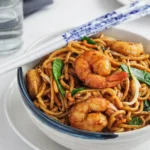
Shrimp Lo Mein Recipe – Quick, Flavorful, and Better Than Takeout
- Total Time: 30 minutes
- Yield: 4 to 6 servings 1x
Description
It’s easy to make Shrimp Lo Mein at home that tastes like it came from your favorite Chinese-American restaurant! Prep the vegetables ahead to make this recipe just as quick as takeout.
Ingredients
- 1 pound lo mein noodles (fresh, if possible)
Sauce:
- 2 tablespoons light soy sauce
- 1 tablespoon dark soy sauce
- 2 tablespoons Shaoxing wine
- 2 tablespoons oyster sauce
- 1 teaspoon granulated sugar
- 1 teaspoon toasted sesame oil
- Pinch ground white pepper
Stir-Fry:
- 6 scallions
- 3 tablespoons vegetable oil, divided
- 1 cup shredded carrots
- 1 cup snow peas, trimmed
- 8 ounce can water chestnuts, drained
- 8 ounce can bamboo shoots, rinsed and drained
- 1 pound raw shrimp (26/30), peeled, deveined, tail on or off
- 1 tablespoon minced garlic
- 2 teaspoons grated fresh ginger
- 2 cups mung bean sprouts
- Optional: extra soy sauce, chili oil, and/or rice vinegar for serving
Instructions
1. Boil lo mein noodles in a pot of lightly-salted water for 3–5 minutes, until al dente. Drain and rinse under cool water. Set aside.
2. In a bowl, whisk together light and dark soy sauces, Shaoxing wine, oyster sauce, sugar, sesame oil, and white pepper. Set aside.
3. Cut the scallions into dark green and white/light green parts. Thinly slice the white/light green sections and cut the dark green into 1–2 inch pieces. Set aside.
4. Heat a wok or large skillet over high heat. Add 1 tablespoon oil and sauté the carrots, snow peas, water chestnuts, and bamboo shoots for about 2 minutes. Remove from pan and set aside.
5. Add another tablespoon of oil to the pan and sauté the shrimp until pink and lightly browned, 2–3 minutes. Remove and set aside.
6. Add remaining oil to the pan and sauté garlic, ginger, and sliced scallion whites/light greens for 1 minute.
7. Return sautéed vegetables and shrimp to the pan along with noodles and mung bean sprouts. Toss to combine.
8. Pour sauce mixture around the sides of the pan and add dark green scallion pieces. Cook and toss for 1–2 more minutes.
9. Taste and adjust seasoning with extra soy sauce or white pepper if desired. Serve hot with optional chili oil or rice vinegar.
Notes
Prep vegetables and sauce ahead of time to make this recipe even faster. Fresh lo mein noodles provide the best texture, but dried noodles work too. Customize with other vegetables or swap shrimp for chicken or tofu. Leftovers store well in the fridge for up to 3 days.
- Prep Time: 15 minutes
- Cook Time: 15 minutes
- Category: Dinner
- Method: Stir-Fry
- Cuisine: Chinese-American
Nutrition
- Serving Size: 1 portion
- Calories: 711
- Sugar: 8g
- Sodium: 2263mg
- Fat: 15g
- Saturated Fat: 9g
- Carbohydrates: 103g
- Fiber: 7g
- Protein: 39g
- Cholesterol: 285mg