Easy Salmon Avocado Poke Bowl Recipe
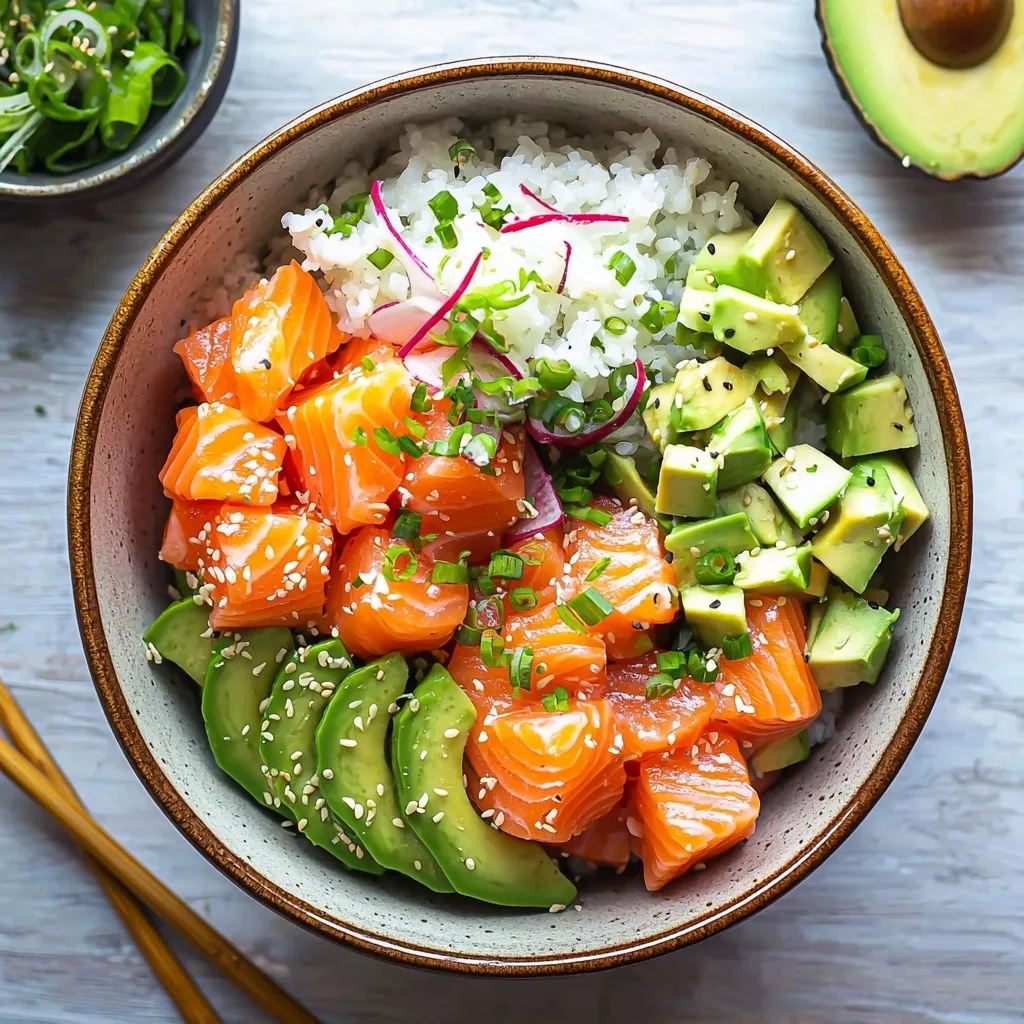
Salmon Avocado Poke Bowl is a fresh, vibrant dish that’s become a favorite for good reason. It’s quick to assemble, packed with delicious flavors and healthy ingredients, making it perfect for any day of the week. If you’re looking for a meal that feels both satisfying and light, this is it!
This recipe takes inspiration from traditional Hawaiian poke, but with a modern twist that’s both accessible and incredibly yummy. The combination of tender salmon, creamy avocado, and fluffy rice creates a delightful textural contrast that’s simply irresistible. It’s the kind of meal that makes you feel good from the inside out.
The beauty of a Salmon Avocado Poke Bowl lies in its simplicity and the quality of its fresh components. It’s a fantastic way to introduce yourself to vibrant, raw fish preparations in a way that feels comfortable and familiar. Get ready to create your new go-to weeknight meal!
What is a Salmon Avocado Poke Bowl?
A Salmon Avocado Poke Bowl is essentially a deconstructed sushi bowl, featuring cubes of marinated raw salmon as its star ingredient, typically served over a bed of sushi rice. While poke traditionally originates from Hawaii and often includes ingredients like tuna, onion, and seaweed, this popular variation highlights the rich, buttery flavor of salmon alongside the smooth creaminess of avocado. It’s a modern take that’s gained massive popularity for its health benefits and customizable nature.
The magic of this dish comes from the interplay of textures and tastes. You have the succulent, marinated salmon, the soft, yielding avocado, the perfectly cooked grains of rice, and then the delightful crunch and zing from various fresh toppings. Each bite is an adventure, offering a little bit of everything your taste buds could want. Think of it as a beautiful, edible mosaic of fresh ingredients that come together harmoniously.
What makes this particular bowl special is the wonderful pairing of salmon and avocado. Salmon brings healthy omega-3 fatty acids and a rich flavor profile, while avocado adds luscious creaminess and healthy fats. Together, they create a base that is both satisfying and incredibly good for you, making this more than just a meal; it’s a nourishing experience.
Reasons to Try This Salmon Avocado Poke Bowl
There are so many wonderful reasons to give this Salmon Avocado Poke Bowl a try, especially if you’re new to cooking or often find yourself short on time. First off, it’s incredibly quick to put together. Once your rice is cooked, the rest is just chopping and mixing, which usually takes less than 20 minutes. This makes it a lifesaver for busy weeknights when you want something wholesome without spending hours in the kitchen. My kids love helping with the chopping, though sometimes it means a few extra avocado slices end up on the floor – that’s real life in my kitchen!
Beyond its speed, this recipe is a powerhouse of nutrition. You’re getting high-quality protein from the salmon, healthy fats from both the fish and avocado, and complex carbohydrates from the rice. It’s a balanced meal that will leave you feeling energized and satisfied, not weighed down. Plus, it’s wonderfully adaptable. Don’t have a certain vegetable? Swap it out! Want to add more spice? Go for it! It’s a forgiving recipe that encourages you to play around with what you have on hand and what you love.
This poke bowl is perfect for just about anyone. Beginners will find it approachable with simple steps, while experienced cooks will appreciate its speed and versatility. It’s also a fantastic option for meal prepping lunches for the week or for a light yet hearty dinner. Whether you’re looking to eat healthier, try something new, or just create a beautiful meal that tastes amazing, this Salmon Avocado Poke Bowl is an absolute winner. It’s a dish that feels fancy but is surprisingly easy to master.
Ingredients Needed to Make a Salmon Avocado Poke Bowl
For the perfect Salmon Avocado Poke Bowl, you’ll need these fresh ingredients:
- 1 cup short-grain white rice (sushi rice is ideal)
- 1 pound sashimi-grade salmon fillet (ask your fishmonger for sushi-grade)
- 1/4 cup soy sauce (or tamari for gluten-free)
- 1 1/2 tablespoons rice vinegar
- 1/2 tablespoon granulated sugar
- 1 teaspoon toasted sesame oil
- 1/4 teaspoon garlic powder
- 2 scallions (green onions), thinly sliced (both white and green parts)
- 1/2 cup sliced cucumber (thinly sliced or cut into matchsticks)
- 1/4 cup sliced radishes (thinly sliced)
- 1 large ripe avocado, cut into cubes
- 1 tablespoon furikake seasoning (a Japanese seaweed and sesame seed blend)
- Red pepper flakes, to taste (optional, for a little heat)
Instructions to Make a Salmon Avocado Poke Bowl – Step by Step
Let’s get this delicious Salmon Avocado Poke Bowl made. Don’t worry, it’s easier than it looks, and we’ll go through each step together just like we’re in my kitchen.
Step 1: Cook the Rice
The first thing you’ll want to do is get your rice going. Start by rinsing your short-grain white rice under cool running water. You can do this right in a fine-mesh sieve. Swish it around gently with your hands until the water runs mostly clear, usually about 3–4 rinses. This step gets rid of excess starch, which helps the rice cook up perfectly fluffy instead of gummy. Once rinsed, cook the rice according to the package directions. If you have a rice cooker, that’s even easier! Just add the rinsed rice and the correct amount of water, and let it do its thing. While the rice is cooking, you can move on to prepping the other ingredients. Once it’s done, give it a gentle fluff with a fork and keep it covered to stay warm.
Step 2: Prepare the Salmon
Now for the star of our show: the salmon. You want to make sure it’s sashimi-grade, meaning it’s safe to eat raw. Gently pat the salmon fillet all over with paper towels to dry it. This is also a good time to feel along the fillet for any stray pin bones that might be hiding – use needle-nosed pliers if you find any, gently pulling them out. Once you’re sure it’s free of bones and nice and dry, carefully cut the salmon into uniform 1/2-inch cubes. Try to make them all about the same size so they marinate and cook evenly in the dressing. Place the cubed salmon into a medium-sized bowl and set it aside for a moment.
Step 3: Make the Dressing
In a small bowl, let’s whisk together the simple, flavorful dressing. Combine the soy sauce (or tamari if you’re keeping it gluten-free), rice vinegar, granulated sugar, toasted sesame oil, and garlic powder. Give it a good stir with a small whisk or fork. You’ll notice that the garlic powder and sugar might not completely dissolve into the liquid, and that’s perfectly fine. They’ll continue to blend into the marinade as it sits with the salmon.
Step 4: Marinate the Salmon
Let’s bring the salmon and the dressing together. Thinly slice your scallions (green onions), making sure to save about 1 to 2 tablespoons of the sliced scallions back for garnishing later. Add the majority of the sliced scallions to the bowl with the cubed salmon. Now, pour the prepared soy sauce mixture over the salmon and scallions. Using a large spoon or a flexible rubber spatula, gently toss everything together. You want to coat every piece of salmon evenly with the marinade without mashing or breaking up the cubes. Let this sit for about 5–10 minutes while you gather your other toppings. This quick marination really infuses the salmon with that delicious savory flavor.
Step 5: Assemble and Serve
It’s time to bring it all together and create your beautiful poke bowl! Start by dividing the cooked rice evenly between your serving bowls. Spoon the marinated salmon mixture over the rice. Then, arrange your toppings artistically around the salmon: add the sliced cucumber, sliced radishes, and the lovely cubed avocado. Sprinkle the reserved sliced scallions over everything. Finally, finish with a generous dusting of furikake seasoning for that extra pop of nutty, oceanic flavor and a pinch of red pepper flakes if you enjoy a little warmth. The Salmon Avocado Poke Bowl is best enjoyed immediately while everything is fresh and vibrant!
Chef’s Tips for a Perfect Result
- Always use sashimi-grade salmon for the best quality and safety when eating raw. If you can’t find it, you can gently cook small cubes of salmon before marinating, though it changes the traditional poke texture.
- Rinse your rice thoroughly until the water runs clear. This is crucial for achieving perfectly fluffy, separated grains that aren’t sticky or mushy.
- Don’t over-marinate the salmon; a short 5-10 minute soak is enough to flavor it without “cooking” it too much in the acidic marinade, preserving its tender texture.
- Cut your salmon and core vegetables into uniform, bite-sized pieces. This ensures even marination and a consistent, enjoyable eating experience in every spoonful.
- Taste your dressing before marinating the salmon. You can adjust the soy sauce for saltiness, vinegar for tanginess, or sugar for sweetness to suit your preference.
- Prep your toppings ahead of time and store them separately in the refrigerator. This makes assembly on serving day lightning fast, just like a busy restaurant kitchen!
Variations and Substitutions
This Salmon Avocado Poke Bowl is wonderfully adaptable. Here are a few ideas to make it your own:
Vegan Option: Swap the salmon for firm or extra-firm tofu, pressed and cubed. Marinate the tofu in the same dressing. For an even heartier vegan bowl, consider adding edamame or marinated shiitake mushrooms.
Gluten-Free Alternative: Simply use tamari instead of soy sauce. Ensure your furikake seasoning is also gluten-free, as some varieties contain soy sauce.
Different Fish: While salmon and tuna are popular, you can also use sushi-grade yellowtail, sea bass, or even cooked shrimp for a variation in flavor and texture.
Low-Carb Version: Skip the rice and use a base of mixed greens, cauliflower rice, or spiralized zucchini noodles. This keeps the dish light and keto-friendly.
Budget Swap: If sashimi-grade salmon is out of budget, you can opt for cooked, flaked salmon (canned or leftover baked salmon works) or even canned tuna (packed in water or oil, drained well).
Extra Veggies: Feel free to add other fresh vegetables like shredded carrots, chopped bell peppers, thinly sliced red onion, or blanched broccoli florets for more color and nutrients.
How to Serve and Pair
This Salmon Avocado Poke Bowl is a complete meal on its own, looking beautiful with its vibrant colors and fresh ingredients. For presentation, try arranging the toppings in neat sections over the rice and salmon, like petals on a flower. A sprinkle of furikake and sliced scallions adds a professional touch. It’s perfect for a quick and healthy lunch, a satisfying weeknight dinner, or even a light weekend meal when you want something fresh and flavorful.
While not strictly necessary, a side of pickled ginger or a small bowl of miso soup can complement the flavors beautifully, adding a warm, savory element. If you’re serving this for a more casual gathering, consider setting up a ‘poke bowl bar’ with all the ingredients laid out so everyone can customize their own bowl.
Storage and Reheating
Refrigerator: It’s best to enjoy your Salmon Avocado Poke Bowl fresh right after assembly. However, if you have leftovers, store the components separately in airtight containers for optimal freshness and texture. Cooked rice can be stored for 3–4 days. Chopped vegetables can last 2–3 days. The marinated raw salmon is best consumed within 24 hours of marinating if kept chilled; it will continue to “cook” in the marinade, changing its texture.
Freezer: Freezing poke bowls is generally not recommended, especially with the raw salmon and fresh avocado. The texture of the salmon and avocado will significantly degrade upon thawing, becoming mushy and unappetizing.
Room Temperature: Do not leave assembled poke bowls or marinated raw salmon at room temperature for longer than 2 hours, as this is a food safety concern with raw proteins.
Reheating: This dish is designed to be eaten cold or at room temperature. If you cooked your rice ahead of time and it’s cold, you can gently warm it up before assembling your bowl. Avoid reheating the salmon or avocado, as they will become unappetizing. If using cooked fish as a substitute, it can be served warm or cold.
Nutritional Values
Here is an approximate nutritional breakdown per serving:
- Calories: 500-650 kcal
- Protein: 30-40g
- Carbohydrates: 40-50g
- Fat: 25-40g
- Fiber: 5-8g
Approximate values.
Frequently Asked Questions (FAQ)
Can I substitute the salmon for another protein?
Absolutely! While salmon is delicious, you can easily substitute it with sashimi-grade tuna, cooked shrimp, or even firm tofu for a vegetarian option. For a quicker, budget-friendly choice, flaked cooked salmon or canned tuna (drained) works well too.
How do I know if my salmon is safe to eat raw?
Only use salmon labeled as ‘sashimi-grade’ or ‘sushi-grade’ from a reputable fishmonger or market. This indicates it has been handled and frozen properly to kill any parasites, making it safe for raw consumption.
My rice turned out too mushy, what went wrong?
Mushy rice usually happens from not rinsing it enough, using too much water, or overcooking it. Make sure to rinse the rice until the water is clear, use the exact water-to-rice ratio recommended for your rice type, and avoid stirring it too much while it cooks.
Can I prepare parts of the poke bowl in advance?
Yes, you can prep many components ahead! Cook the rice and let it cool, chop your vegetables like cucumber and radishes, and prepare the dressing. Store these separately in the refrigerator. Marinate the salmon and cube the avocado just before serving to ensure the best texture and flavor.
What are some creative ways to customize my poke bowl?
Get creative with toppings like edamame, mango chunks, pickled ginger, seaweed salad, masago (fish roe), jalapeño slices, or even a drizzle of sriracha mayo. You can also experiment with different bases like quinoa or mixed greens instead of rice.
Conclusion
This Salmon Avocado Poke Bowl is a triumph of fresh, simple ingredients that come together in a truly satisfying way. It’s a wonderfully easy recipe that brings vibrant flavors and healthy goodness right to your table. Give it a try and discover the amazing combination of tender salmon and creamy avocado that makes this bowl so utterly irresistible!
Print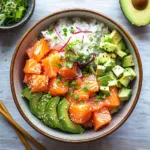
Easy Salmon Avocado Poke Bowl Recipe
- Total Time: 30
- Yield: 2 servings 1x
- Diet: Pescetarian
Description
A quick, healthy Hawaiian-inspired poke bowl featuring marinated salmon, creamy avocado, and sushi rice. Ideal for a refreshing, nutrient-packed meal in under 20 minutes.
Ingredients
4 oz (113g) raw salmon, sliced
1 avocado, diced
1 cup cooked sushi rice
1 tbsp low-sodium soy sauce
1 tbsp sesame oil
1 tsp rice vinegar
1 tsp grated ginger
1/2 cucumber, julienned
1/4 cup shredded purple cabbage
1 tbsp sesame seeds
Pinch of salt
Lemon wedges for garnish
Instructions
Cook sushi rice according to package instructions.
In a bowl, mix salmon with soy sauce, sesame oil, rice vinegar, ginger, and salt. Let marinate for 5-10 minutes.
Layer rice in a bowl. Top with marinated salmon, avocado, cucumber, cabbage, and sesame seeds.
Garnish with lemon wedges and serve fresh.
Notes
Marinate salmon longer for bolder flavor.
Substitute kedgeree rice if sushi rice is unavailable.
Store leftovers refrigerated for up to 2 days.
- Prep Time: 15
- Cook Time: 15
- Category: Dinner
- Method: Raw/Marinating
- Cuisine: Hawaiian
Nutrition
- Serving Size: 1 bowl
- Calories: 580
- Sugar: 1g
- Sodium: 1200mg
- Fat: 32g
- Saturated Fat: 4g
- Carbohydrates: 58g
- Fiber: 5g
- Protein: 25g
- Cholesterol: 65mg