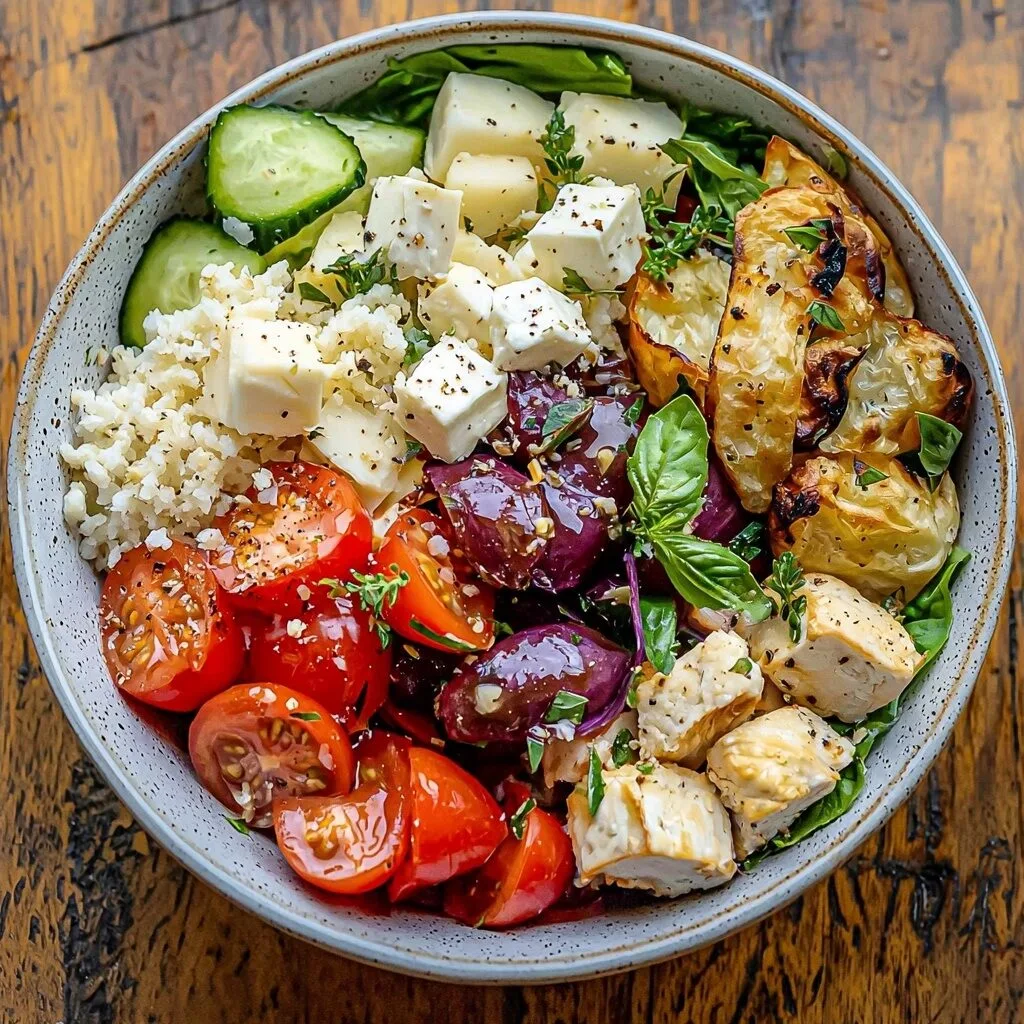
A Greek Meze Power Bowl is a vibrant, nutrient-packed dish that brings the sunny flavors of the Mediterranean straight to your kitchen table. When I first started experimenting with fresh, farmhouse-style cooking, I realized that the best meals aren’t complicated; they are simply a collection of high-quality ingredients working in harmony. This bowl is perfect for those busy days when you want something that feels like an indulgence but still gives your body exactly what it needs to keep going.
This dish is all about balance, combining the chewy heartiness of grains like bulgur with the crisp bite of fresh vegetables and the savory, salty punch of halloumi cheese. Making a Greek Meze Power Bowl at home is much easier than it looks, and it happens to be one of those flexible meals where you can swap things out based on what is in your fridge or what your family is craving that day.
What is a Greek Meze Power Bowl?
A Greek meze power bowl is basically a culinary celebration of small, delicious bites turned into a substantial main course. Traditionally, meze refers to a selection of small dishes served as appetizers in the Mediterranean, but here, we take those classic elements—like hummus, olives, marinated vegetables, and grilled cheese—and arrange them over a bed of grains and greens.
The secret to its goodness lies in the contrast of temperatures and textures. You have warm, golden-brown fried halloumi sitting next to cool, refreshing cucumbers and creamy homemade hummus. It is a meal that respects the origins of humble, fresh ingredients while making you feel like you put in hours of work, even though it comes together in under thirty minutes.
Reasons to Try a Greek Meze Power Bowl
If you are looking for a meal that handles a busy weekday schedule but still delivers on flavor, this is it. It is incredibly versatile, making it the perfect “clean out the fridge” meal where you can add extra chickpeas or toss in whatever leftover roasted veggies you have on hand. It is also a fantastic way to introduce more plant-forward ingredients to your family without making it feel like a chore.
For those of us juggling kids, work, and the general chaos of life, this recipe is a lifesaver. You can prep the hummus or chop the vegetables ahead of time, which means dinner is essentially just assembly once the kids get home from school. Plus, the bright colors and fresh mint make every bowl look fancy enough for guests while being simple enough for a Tuesday night at the kitchen island.
Ingredients Needed to Make a Greek Meze Power Bowl
2 cups cooked bulgur or quinoa
2 to 3 cups baby spinach
2 1/2 tablespoons olive oil, divided
3 tablespoons red wine vinegar, divided
10 ounces halloumi cheese, sliced
2 pita breads, cut into triangles
4 pickled artichoke hearts, halved
1/3 cup pitted Kalamata olives
1/2 English cucumber, seeded and diced
1 1/2 cups cherry tomatoes, halved
1 small red onion, thinly sliced
1 handful fresh mint, leaves picked
14 ounces chickpeas, rinsed and drained
1 tablespoon lemon juice
1 tablespoon tahini
1 teaspoon paprika
Salt and fresh ground pepper to taste
Instructions to Make a Greek Meze Power Bowl – Step by Step
Step 1: Start by making the creamy base. Place your rinsed chickpeas, lemon juice, tahini, paprika, and a pinch of salt and pepper into your blender or food processor. Pulse the mixture, scraping down the sides as needed, until it reaches a smooth and airy consistency. Once it is ready, pop it into the refrigerator so the flavors can chill and meld together while you handle the rest.
Step 2: Get your skillet ready over medium-high heat with about half a tablespoon of olive oil. Once the oil shimmers, lay your halloumi slices into the pan. You want to fry them for about three to four minutes per side until they turn a beautiful, deep golden brown. Carefully remove them from the heat and set them aside on a plate; they are best served warm.
Step 3: In a large salad bowl, combine your baby spinach, tomatoes, cucumbers, onions, and Kalamata olives. Drizzle the remaining two tablespoons of olive oil and the red wine vinegar over the top. Add a generous sprinkle of salt, pepper, and your fresh mint leaves, then give everything a gentle toss to make sure every bite is perfectly seasoned.
Step 4: Now for the fun part: assembly. Divide your cooked bulgur or quinoa among four bowls, followed by a generous portion of the dressed salad. Top each bowl with a dollop of your chilled hummus, the warm fried halloumi, artichoke halves, and a few pita triangles on the side. Finish with an extra crack of black pepper, and serve immediately while the cheese is still warm and tender.
Chef’s Tips for a Perfect Result
- Pat the halloumi dry: Use a paper towel to remove excess moisture before frying so the cheese gets a nice crispy crust instead of steaming.
- Use room-temperature grains: While warm grains are fine, slightly cooled bulgur prevents the spinach from wilting too quickly before you can serve it.
- Fresh is best: Don’t skip the fresh mint; that tiny herbal pop is exactly what brings these Mediterranean flavors together.
- Watch the heat: Halloumi can go from golden to burnt in seconds, so keep a close eye on the pan once it hits the heat.
Variations and Substitutions
Vegan Option: Swap out the halloumi for extra-firm tofu marinated in lemon juice and oregano, or simply stir in some additional white beans for protein.
Gluten-Free Alternative: Replace the bulgur with quinoa or cauliflower rice, and ensure you serve gluten-free crackers or veggie sticks instead of pita bread.
Low-Carb Version: You can omit the grains entirely and use a larger bed of greens or massaged kale to bulk out the bowl without the extra carbohydrates.
Budget Swap: If you don’t have tahini for the hummus, a little bit of Greek yogurt or even just a dash of extra olive oil can provide enough creaminess to satisfy.
How to Serve and Pair
This bowl is a meal in itself, but it shines when served with a refreshing glass of cucumber-infused water or a cold sparkling lemonade. For a cozy family dinner, set the components out in bowls and let everyone build their own at the table. It is perfect for sunny outdoor lunches or quick, filling dinners before a busy evening.
Storage and Reheating
Refrigerator: Store the ingredients in separate airtight containers if possible. The salad greens will last about 2 days, while the hummus can stay fresh for up to 4 days.
Freezer: Avoid freezing the assembled bowl as the fresh vegetables will lose their texture. You can, however, freeze prepared chickpeas or cooked grains for up to 3 months.
Reheating: If you want to warm the halloumi again, a quick 60 seconds in a non-stick pan is much better than the microwave, which can make the cheese turn rubbery.
Nutritional Values
Calories: 881 kcal; Protein: 37g; Carbohydrates: 109g; Fat: 36g; Fiber: 24g. Approximate values.
Frequently Asked Questions (FAQ)
Can I use another cheese instead of halloumi?
Yes, you can substitute halloumi with feta crumbles or an unripened goat cheese if you cannot find halloumi at your local grocer.
How do I know when the halloumi is cooked perfectly?
The cheese is ready once both sides have developed a deep, crispy golden-brown crust and the center feels soft and slightly bouncy to the touch.
My hummus turned out too thick, what do I do?
Simply add a teaspoon of water or a splash of olive oil to the processor and blend again until you reach your desired consistency.
Can I prep these bowls in advance?
You can definitely prep the components like cooking the grain and making the hummus ahead of time, but wait to assemble until just before serving to keep the greens crisp.
What is the best way to serve these for a party?
For a party, arrange all the ingredients on a large platter or set up a “meze bar” where guests can scoop their favorite items into personal bowls.
Conclusion
The Greek Meze Power Bowl is the ultimate blend of fresh textures and bold, savory satisfaction. I encourage you to make this dish your own by playing with the ingredients and finding the combinations your family loves most. It is the perfect signature dish for your home rotation—simple, healthy, and absolutely irresistible.
Print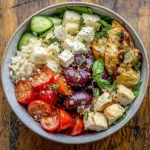
Greek Meze Power Bowl
- Total Time: 25
- Yield: 2 servings 1x
- Diet: Vegetarian
Description
Experience the vibrant, sun-drenched flavors of the Mediterranean with this nutrient-packed Greek Meze Power Bowl. Combining heart-healthy grains, crisp garden vegetables, savory Kalamata olives, and perfectly browned halloumi cheese, this dish offers a symphony of textures and temperatures. Whether you are looking for a quick weeknight dinner or a beautiful, healthy meal for guests, this assembly-style bowl is as versatile as it is delicious. It brings the refined taste of a classic meze platter together into one nourishing and satisfying main course.
Ingredients
2 cups cooked bulgur or quinoa
2 to 3 cups baby spinach
2 1/2 tablespoons olive oil, divided
3 tablespoons apple cider vinegar (alcohol-free substitute), divided
10 ounces halloumi cheese, sliced
2 pita breads, cut into triangles
4 pickled artichoke hearts, halved
1/3 cup pitted Kalamata olives
1/2 English cucumber, seeded and diced
Instructions
Place the cooked bulgur or quinoa in the base of two bowls and top with a large handful of baby spinach.
In a small bowl, whisk together 1.5 tablespoons of olive oil and 2 tablespoons of apple cider vinegar, then drizzle over the greens and grains.
Heat the remaining olive oil in a non-stick skillet over medium-high heat.
Add the halloumi slices to the skillet and cook until golden brown on both sides, about 2-3 minutes per side.
Remove the cheese and set aside; in the same pan, lightly toast the pita bread triangles until warm and golden.
Arrange the artichoke hearts, olives, cucumber, and hot halloumi over the prepared bowls.
Whisk the remaining vinegar and a teaspoon of oil together to lightly dress the fresh vegetables just before serving.
Notes
You can easily swap the grains for farro or brown rice. Add dollops of hummus or tzatziki to increase the creaminess of the bowl. Store any leftover components separately in airtight containers for up to 2 days.
- Prep Time: 15
- Cook Time: 10
- Category: Dinner
- Method: Pan-Frying
- Cuisine: Mediterranean
Nutrition
- Serving Size: 1 bowl
- Calories: 520
- Sugar: 4g
- Sodium: 850mg
- Fat: 28g
- Saturated Fat: 12g
- Carbohydrates: 48g
- Fiber: 9g
- Protein: 21g
- Cholesterol: 55mg