Persian Chicken is more than just a recipe—it’s a gateway to the rich, spice-laden flavors of Persian cuisine. This dish combines the bold warmth of cinnamon and turmeric with the subtle earthiness of cumin and coriander, creating a medley that dances on the palate. The tender chicken thighs, bathed in a syrupy sauce of dried apricots and nuts, bring a touch of sweetness that balances the savory depth of the spices. Whether you’re a home cook seeking a new comfort food or a seasoned chef looking to explore global flavors, this recipe promises to deliver an unforgettable meal in under an hour. Let’s dive into the story, technique, and magic behind this Persian classic.
What is Persian Chicken?
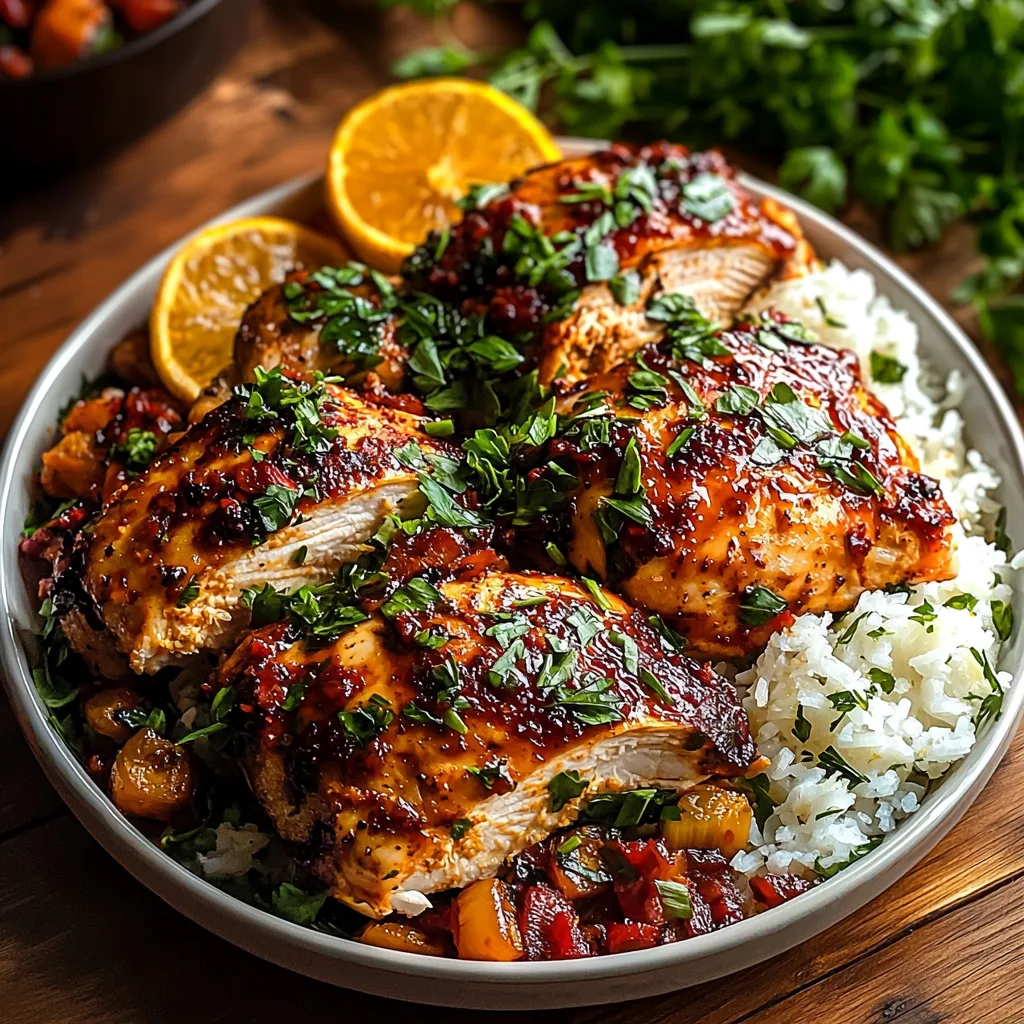
Persian Chicken, or khoresh-e ghormeh sabzi, is a beloved staple in Iranian households. Unlike the herb-forward ghormeh sabzi, this dish celebrates the contrast between fragrant spices and dried fruits. Its origins trace back to the agricultural regions of Persia (modern-day Iran), where farmers used abundant crops like apricots, almonds, and saffron to create hearty, one-pot meals. What sets Persian Chicken apart is its signature trio of spices: turmeric for golden color, cinnamon for warmth, and cumin for earthy depth. The addition of dried apricots adds a natural sweetness that softens the dish’s robust spices, while slivered almonds or walnuts provide a satisfying crunch. Served over saffron rice or fluffy couscous, each bite is a celebration of Persian culinary soul.
Reasons to Try Persian Chicken
This recipe is a weeknight savior for busy families. While it simmers quietly on the stovetop, you can prepare sides or catch up on chores. The ingredients are simple yet transformative—common pantry staples like onions, garlic, and dried apricots become extraordinary when layered with Persian spices. For beginners, the step-by-step process is intuitive, and the forgiving nature of the dish allows room for adjustments. Even seasoned cooks will appreciate the balance of sweet and savory, which elevates it beyond typical chicken stews. Whether you’re a parent feeding picky eaters or a culinary enthusiast seeking new textures, Persian Chicken’s tender chicken thighs and glossy sauce will charm even the most skeptical palates.
Ingredients You’ll Need
- 4 bone-in chicken thighs (or skinless breasts for a lighter version)
- 1 teaspoon salt
- 1 teaspoon black pepper
- 1 medium onion, chopped
- 3 cloves garlic, minced
- 1 teaspoon turmeric powder
- 1 teaspoon cinnamon powder
- 1 teaspoon cumin powder
- 1 teaspoon coriander powder
- 2 tablespoons vegetable or olive oil
- 1 cup chicken broth or water (use gluten-free broth if needed)
- 1 cup chopped dried apricots
- 1/2 cup slivered almonds or walnuts
- 2 tablespoons fresh parsley, chopped
Instructions to Make Persian Chicken – Step by Step
Step 1: Start by seasoning the chicken thighs with turmeric, cumin, coriander, cinnamon, salt, and pepper. Don’t rush the marinating step—letting the spices settle into the meat for at least 15 minutes gives the chicken a deeper flavor base. I like to toss the pieces in a ziplock bag so they coat evenly.
Step 2: Heat the oil in a large skillet over medium heat. Add the chopped onions and cook until they become golden brown, which usually takes about 5-7 minutes. Be patient here—soft, caramelized onions create the backbone of a rich sauce. When the onions turn a deep amber, add the minced garlic and sauté for 1 minute until fragrant. This is a crucial aromatics step—don’t let the garlic burn!
Step 3: Now, add the marinated chicken to the skillet. Brown the thighs on all sides for 6-8 minutes, using tongs to flip them. You’ll know they’re ready when the skin becomes crisp and releases easily from the pan. The golden crust not only adds texture but locks in the juices.
Step 4: Pour in the chicken broth or water and use a wooden spoon to scrape up any browned bits from the bottom of the pan—this is where magic happens for depth of flavor. The liquid should just cover the chicken, so adjust if using a large skillet. Add the chopped apricots at this stage; their natural sugars will dissolve subtly into the sauce without overpowering the spices.
Step 5: Cover the skillet and reduce the heat to low. Let the mixture simmer for about 45 minutes. During this time, the chicken will soften to tender perfection while the apricots plump up. Keep the lid on but check occasionally to ensure the liquid hasn’t evaporated too much. For a glossy finish, add a splash of broth if needed.
Step 6: Near the end of cooking, stir in the slivered almonds or walnuts. This adds a satisfying crunch and nuttiness that contrasts with the tender chicken. Taste the sauce and adjust the seasoning—sometimes a pinch more salt or black pepper makes all the difference.
Step 7: Finally, garnish with fresh parsley just before serving. This bright, herbal note ties the dish together beautifully. Serve warm over saffron rice for a festive presentation, or alongside fluffy couscous for a lighter option.
Chef’s Tips for a Perfect Result
- Use a non-stick skillet: This prevents the chicken from sticking and makes cleaning easier. I’ve learned the hard way that stainless steel can leave a mess after browned bits set in!
- Caramelized onions = flavor foundation: Sauté them slowly until deep golden—if they stick, add a drop of broth to deglaze and scrape up the good stuff.
- Add apricots mid-cook: Adding them too early can make the sauce overly sweet or the fruit mushy. Chopping them into small pieces ensures even melting.
- Don’t skip the garnish: Fresh parsley elevates the dish from rustic to restaurant-quality. It also gives a pop of green color for visual appeal.
- Let the chicken rest for 5 minutes: This retains moisture and makes slicing easier.
Variations and Substitutions
Vegan Option: Swap chicken for chickpeas or mushrooms and use vegetable broth. The nuts and apricots still deliver that signature Persian sweet-savory balance.
Gluten-Free Alternative: Ensure the spices are gluten-free and use a trusted brand of broth. Replace saffron rice with quinoa for serving.
Low-Carb Version: Omit the apricots and use sugar-free syrup to maintain a hint of sweetness. Serve with cauliflower rice.
Budget Swap: Use chicken thighs instead of breasts for juicier results. They’re also often cheaper and more tender.
Spice Level Hack: Mix in a pinch of red pepper flakes for a gentle kick, perfect for adventurous eaters.
How to Serve and Pair
Serve Persian Chicken over chelow (saffron rice) for a traditional Persian presentation. The golden rice complements the sauce’s richness while adding a fragrant layer. For a cooling contrast, pair with yogurt-based drinks like ayran or a dollop of Greek yogurt with mint. On colder days, it pairs beautifully with warm flatbreads like lavash for scooping up the sauce. Leftovers can be turned into Persian Chicken sandwiches the next day—layer the mixture on crusty bread with sliced cucumbers for a quick lunch.
Storage and Reheating
Refrigerator: Store in an airtight container for up to 3 days. The sauce may separate slightly, so stir well before using.
Freezer: Freeze the dish in sealed containers for up to 2 months. Thaw in the fridge overnight to preserve texture.
Room Temperature: If holding for a short time, cover and place in a cool bowl of water to prevent bacterial growth. Consume within 2 hours.
Reheating: Warm in a covered skillet over medium heat for best flavor, adding a splash of water to loosen the sauce. Avoid microwaving unless in small portions to prevent drying out the chicken. For oven reheating, set to 350°F and heat until piping hot, about 20 minutes.
Nutritional Values
- Calories: 450
- Protein: 35g
- Carbohydrates: 30g
- Fat: 20g
- Fiber: 4g
Approximate values.
Frequently Asked Questions
Can I substitute apricots with other dried fruits?
Yes, dried pears or raisins work well. They bring a similar chewy texture and subtle sweetness, though apricots offer a brighter flavor profile.
How do I know when the chicken is fully cooked?
The internal temperature should reach 165°F. Alternatively, the meat should pull away from the bone easily and appear opaque. Avoid rushing this step to prevent undercooking!
Why is my sauce too watery?
Reduce the heat to a simmer for 10-15 minutes with the lid off. If the liquid evaporates too quickly, you can add more broth or water for balance.
Can I make this ahead for the next day?
Absolutely! The flavors deepen with time. Store in the fridge and gently reheat, adding a splash of water if the sauce has thickened.
What’s the best way to add a smoky flavor?
Toast the almonds or walnuts in a dry skillet for 2-3 minutes before adding them to the dish. This enhances their natural oils and adds a caramelized kick.
Conclusion
Persian Chicken is a timeless comfort dish that marries bold spices with homestyle warmth. Whether enjoyed during a family gathering or as a quick weeknight meal, its tender chicken and glossy apricot sauce are guaranteed to bring smiles. This recipe isn’t just about the spice blend—it’s about the joy of creating something rich, aromatic, and deeply satisfying with simple ingredients. So grab your skillet, embrace the process, and let the flavors of Persia transform your dinner table.

Flavorful Persian Chicken
- Total Time: 50
- Yield: 4 servings 1x
- Diet: Omnivore
Description
A aromatic Persian chicken dish featuring cinnamon, turmeric, and dried apricots in a rich sauce. Serve over saffron rice or couscous for a satisfying family meal. Ready in 50 minutes with minimal effort.
Ingredients
4 bone-in chicken thighs (or skinless breasts for a lighter version)
1 teaspoon salt
1 teaspoon black pepper
1 medium onion, chopped
3 cloves garlic, minced
1 teaspoon turmeric powder
1 teaspoon cinnamon powder
1 teaspoon cumin powder
1 teaspoon coriander powder
2 tablespoons vegetable or olive oil
1 cup chicken broth or water
1 cup chopped dried apricots
1/2 cup slivered almonds or walnuts
2 tablespoons fresh parsley, chopped
Instructions
Season chicken thighs with salt and pepper
Heat oil in a large skillet over medium-high, cook chicken until golden on both sides
Reduce heat to medium, add cumin and coriander, toast for 1 minute
Add sliced onion and garlic, cook until softened
Stir in turmeric and cinnamon, add chicken broth
Return chicken to pan, add apricots and nuts, simmer 20-25 minutes until tender
Finish with parsley and serve over saffron rice or couscous
Notes
Boneless chicken thighs work if you reduce cooking time by 5-8 minutes
Substitute apricots with dates or prunes if preferred
For extra flavor, bloom saffron in warm water and stir into final sauce
Store leftovers in an airtight container for up to 3 days
- Prep Time: 15
- Cook Time: 35
- Category: Dinner
- Method: Stewing
- Cuisine: Persian
Nutrition
- Serving Size: 1 main dish portion (400g total)
- Calories: 420
- Sugar: 18g
- Sodium: 450mg
- Fat: 15g
- Saturated Fat: 1.8g
- Carbohydrates: 22g
- Fiber: 3g
- Protein: 20g
- Cholesterol: 60mg