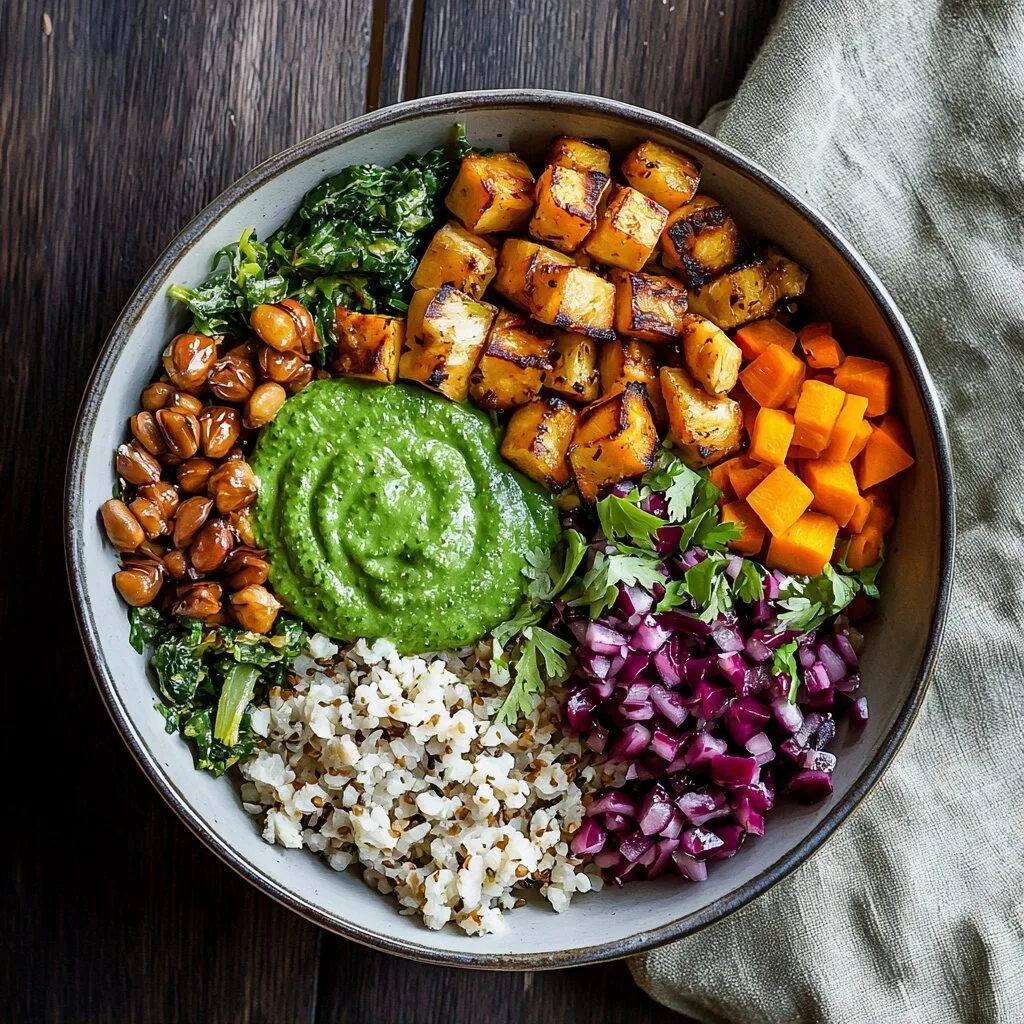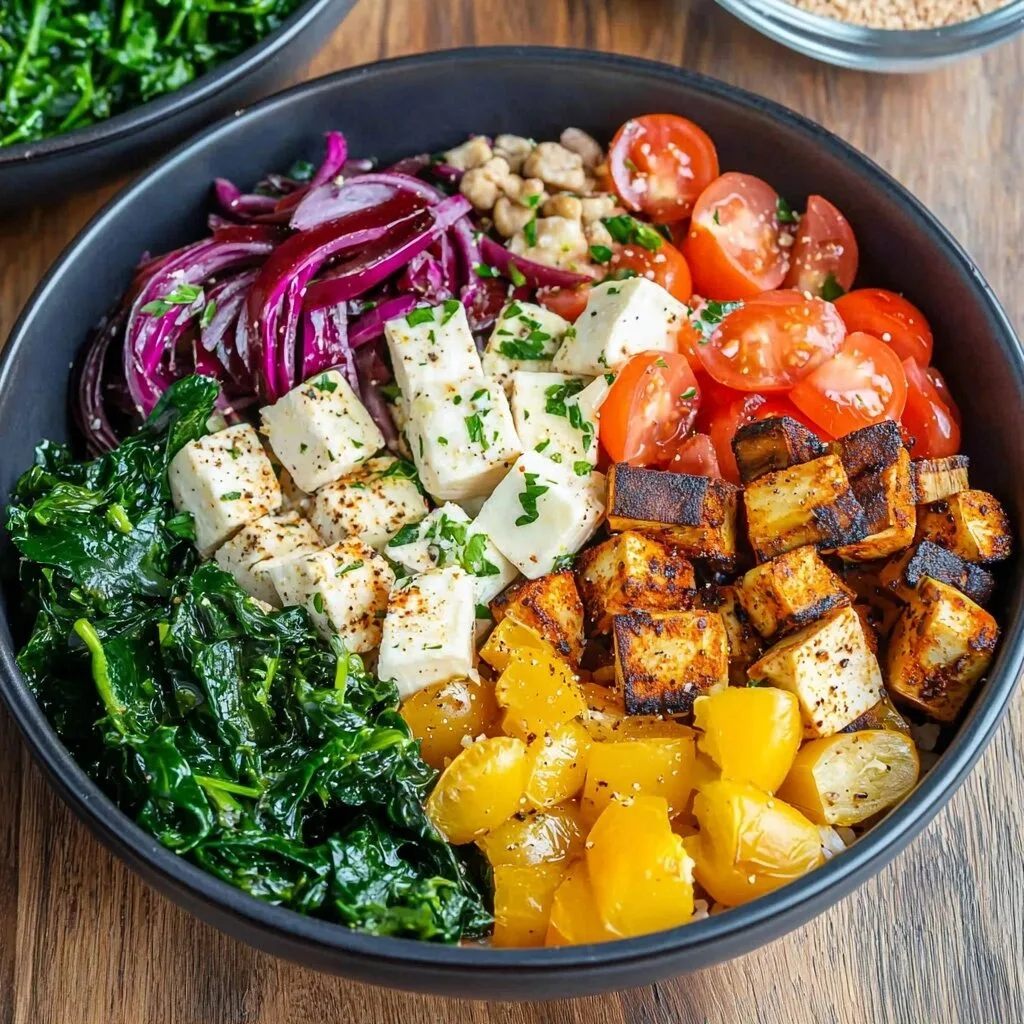
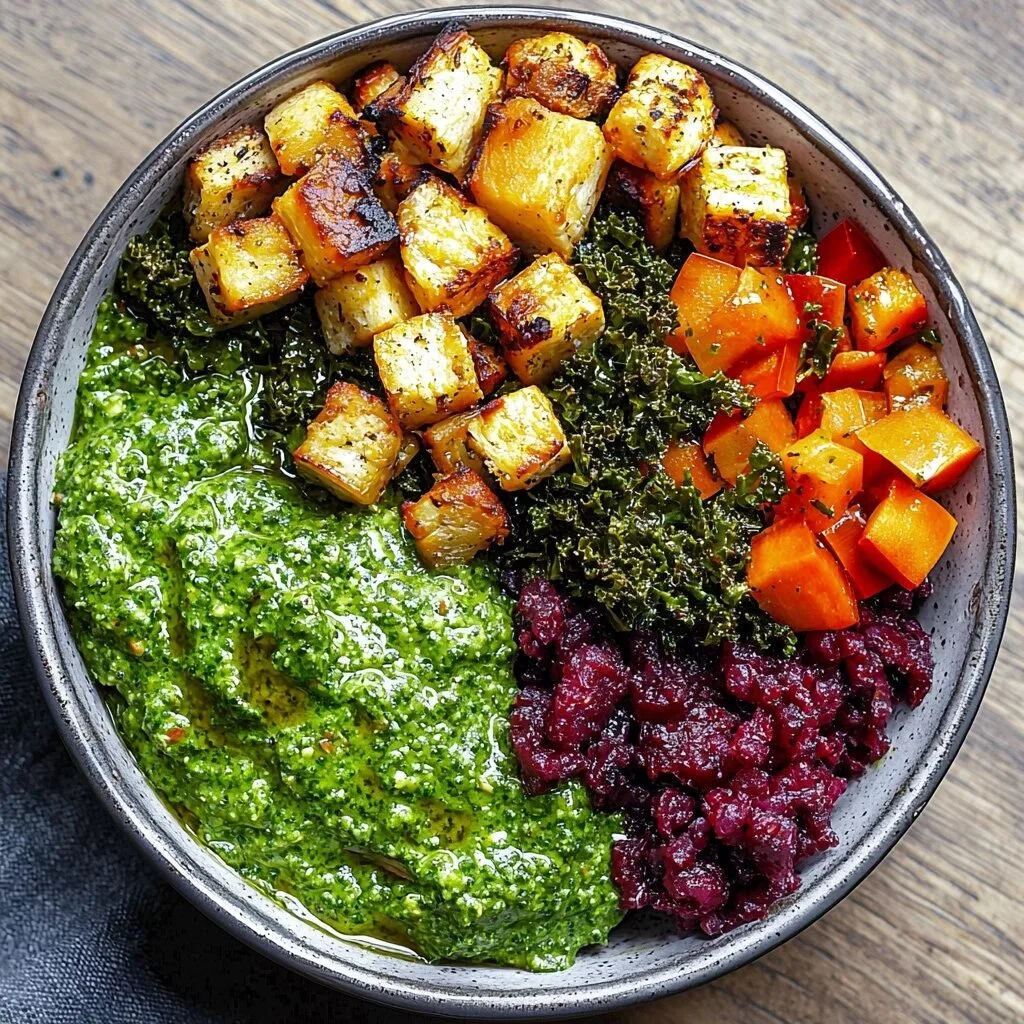
A Fall Harvest Buddha Bowl With Kale Pesto Dressing is the ultimate comfort meal for busy weeknights when you want something nourishing that actually tastes like autumn. Growing up on a farm, I learned that the best meals aren’t complicated; they are simply the best ingredients gathered together with a little bit of love and a lot of color. This bowl brings together roasted root vegetables and a vibrant, nutrient-dense pesto that brightens up even the dreariest November afternoon.
You don’t need to be a professional chef to pull this together, even if you have a kitchen full of kids asking when dinner will be ready. By using a single sheet pan for the roasting process, you keep your cleanup minimal while ensuring every piece of squash and broccoli gets perfectly caramelized. Integrating a Fall Harvest Buddha Bowl With Kale Pesto Dressing into your meal rotation is a fantastic way to ensure your family gets a variety of textures and vitamins in one beautiful, inviting dish.
What is a Fall Harvest Buddha Bowl With Kale Pesto Dressing?
At its heart, this dish is a balanced, plant-based meal designed to provide sustained energy. A Buddha bowl is typically a combination of various components like grains, roasted vegetables, and a protein, all drizzled with a flavorful dressing. This specific version celebrates the bounty of the season by featuring butternut squash and beets alongside crispy roasted kale.
What really sets this version apart is the kale pesto dressing. By incorporating fresh kale into a classic basil and pine nut base, you add an earthy depth that complements the sweetness of the roasted squash perfectly. It is a hearty, vegetarian-friendly option that feels substantial enough for a main course, yet it remains light enough that you won’t feel weighed down after eating it.
Reasons to Try a Fall Harvest Buddha Bowl With Kale Pesto Dressing
If you are looking to simplify your evening routine, this recipe is a lifesaver. Because the entire meal—from the tofu to the vegetables—roasts on a single baking sheet, you spend less time scrubbing pans and more time relaxing with your family. It is an incredibly forgiving method for beginner cooks who might be worried about managing multiple stovetop burners at once.
Beyond the convenience, this bowl is a nutritional powerhouse that doesn’t compromise on flavor. The combination of healthy fats from the pine nuts and olive oil, complex carbohydrates from the quinoa, and fiber from the roasted veggies makes it deeply satisfying. It is perfect for meal prep, too, as the components store well and can be assembled quickly during the week when your schedule gets a bit chaotic.
Ingredients Needed to Make a Fall Harvest Buddha Bowl With Kale Pesto Dressing
- 1 cup fresh basil leaves (packed tightly)
- 1/3 cup pine nuts (toast these lightly for extra depth)
- 2 cloves garlic (peeled and smashed)
- 1/2 cup olive oil (a high-quality extra virgin oil is best here)
- 1 cup fresh kale, stemmed and roughly chopped
- 1 cup shredded Parmesan cheese (freshly grated is always better)
- Salt and pepper to taste
- 1 cup butternut squash, peeled and diced into 1-inch cubes
- 1 cup beets, peeled and diced into 1-inch cubes
- 7 oz extra-firm tofu, pressed and sliced into cubes
- 2 cups cauliflower florets
- 2 cups broccoli florets
- 3 cups fresh kale leaves, stemmed
- 1 cup cooked quinoa
Instructions to Make a Fall Harvest Buddha Bowl With Kale Pesto Dressing – Step by Step
Step 1: Start by preheating your oven to 425 degrees Fahrenheit. While that warms up, prepare your baking sheet by giving it a quick wipe if needed, as we are going to use it for everything. Having your oven hot is the secret to getting that perfect golden-brown crisp on your cauliflower and squash.
Step 2: To make the pesto, toss your basil, pine nuts, garlic, olive oil, the first cup of kale, and Parmesan into a blender or food processor. Pulse it until it reaches a smooth, vibrant green consistency. Taste it and add a pinch of salt and pepper; remember that the cheese is already a bit salty, so go easy at first.
Step 3: Arrange your butternut squash and beets on one section of the baking sheet. Drizzle them with a little olive oil, salt, and pepper, and give them a good toss right there on the pan. Place your tofu cubes on another section and brush them generously with some of the kale pesto to let those flavors soak in while they roast.
Step 4: Slide the sheet into the oven for 10 minutes. Once the time is up, carefully remove the pan to flip your tofu and add the cauliflower and broccoli to their own spots on the sheet. Drizzle these fresh additions with olive oil, salt, and pepper just like you did with the root vegetables.
Step 5: Put the pan back in for another 10 minutes of roasting. After this session, pull the tray out one last time to add the remaining three cups of kale to the last open space on the sheet. Give it a light drizzle of oil, then roast for a final 10 minutes until the kale is crispy and everything else is tender and beautifully caramelized.
Step 6: Assemble your bowls by placing a hearty scoop of warm, cooked quinoa at the base. Arrange the roasted vegetables and pesto-glazed tofu on top, then drizzle everything with a final spoonful of that vibrant kale pesto. Serve it warm and enjoy the contrast of the crispy edges and the tender, roasted centers.
Chef’s Tips for a Perfect Result
- Press your tofu well: Use a paper towel or a clean kitchen cloth to remove excess water from your tofu cubes before brushing them with pesto for a firmer texture.
- Use room-temperature ingredients: When making your pesto, ensure the garlic and kale are at room temperature so the olive oil emulsifies properly.
- Don’t overcrowd the pan: If your vegetables are piled on top of each other, they will steam instead of roast; use two pans if you need more space.
- Uniform cutting: Try to dice your beets and squash to roughly the same size so they cook evenly and finish at the same time.
Variations and Substitutions
- Vegan Option: Simply swap the Parmesan cheese for a high-quality nutritional yeast or a vegan-friendly hard cheese alternative to keep the flavor profile intact.
- Gluten-Free Alternative: This recipe is naturally gluten-free, but always ensure your quinoa is labeled as certified gluten-free to avoid any cross-contamination.
- Protein Swap: If you aren’t a fan of tofu, roasted chickpeas seasoned with a bit of smoked paprika make a delicious, crunchy substitute that pairs beautifully with the kale pesto.
- Budget Swap: Pine nuts can be pricey, so feel free to use toasted sunflower seeds or walnuts in the pesto; they offer a similar richness at a fraction of the cost.
How to Serve and Pair
This Buddha bowl is a complete meal, but it pairs beautifully with a simple side salad of arugula and a splash of lemon juice if you want extra brightness. For presentation, use wide, shallow bowls so the colors of the beets and squash really pop. This dish is perfect for a relaxed weekend lunch or a healthy, cozy dinner when you want to celebrate seasonal produce with friends or family.
Storage and Reheating
Refrigerator: Store leftovers in an airtight container for up to three days. The pesto may darken slightly due to oxidation, but it will still taste fresh and delicious.
Freezer: The roasted vegetables can be frozen for up to one month, but I recommend enjoying the kale and quinoa fresh for the best texture. The pesto freezes exceptionally well in ice cube trays for future meals.
Reheating: Reheat the vegetables and tofu in a warm oven at 350 degrees Fahrenheit until just heated through, or use the microwave in 30-second bursts to avoid drying out the tofu.
Nutritional Values
- Calories: 480 per serving
- Protein: 18g
- Carbohydrates: 45g
- Fat: 24g
- Fiber: 9g
Approximate values.
Frequently Asked Questions (FAQ)
Can I use other nuts in the pesto if I have an allergy?
Yes, sunflower seeds or pumpkin seeds are excellent nut-free alternatives that provide the same creamy texture and nutty flavor profile as pine nuts.
How do I know when the beets are fully roasted?
Your beets are done when they are easily pierced by a fork and show slight browning at the edges, which usually happens around the 30-minute mark.
Why is my pesto bitter?
Pesto can sometimes turn bitter if the olive oil is blended at too high a speed, which causes oxidation; pulse your ingredients gently rather than running the blender continuously.
Can I prep the components a day early?
Absolutely, you can wash, chop, and store your vegetables in the fridge the night before so you only have to toss them in oil and roast them when you are ready to eat.
What is the best way to customize this bowl?
You can easily swap the seasonal vegetables for whatever you have on hand, such as sweet potatoes or Brussels sprouts, to keep the base recipe fresh and exciting every time you make it.
Conclusion
This Fall Harvest Buddha Bowl With Kale Pesto Dressing is a wonderful way to bring wholesome, farm-to-table flavors into your own kitchen with very little effort. It is nourishing, colorful, and incredibly satisfying, proving that healthy eating can feel like a real treat. Once you taste the brightness of that fresh kale pesto paired with the sweetness of roasted autumn vegetables, you will likely find yourself making this recipe every time the seasons begin to change.