Classic Minestrone Soup That Feels Like a Warm Hug
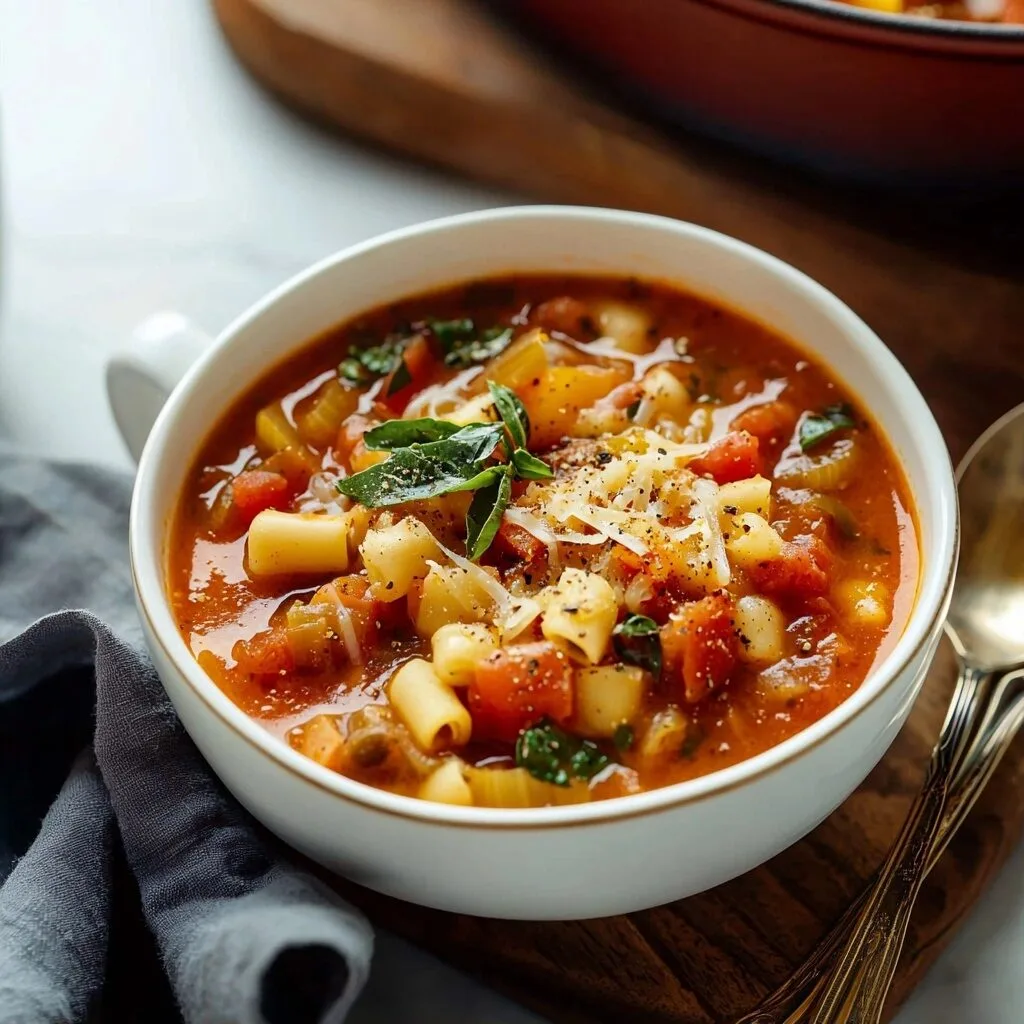
This classic minestrone soup is exactly the kind of meal I reach for when I need something cozy, healthy, and incredibly satisfying. There is something special about simmering a pot of fresh vegetables, beans, and pasta that fills the whole house with a smell that says you are home. I have spent years testing versions of this recipe in my own kitchen, often with kids running around or flour dusted on the counter, and I finally landed on a version that truly hits the spot every single time.
You will love how this classic minestrone soup brings out the best in simple, pantry-friendly ingredients. Whether you are a beginner cook or just looking for a reliable dinner, this recipe is flexible, forgiving, and yields enough leftovers to make tomorrow even easier than today. It is truly the kind of honest, nourishing cooking that makes the kitchen the heart of the home.
What is Classic Minestrone Soup?
Classic minestrone soup is a hearty, Italian-inspired vegetable soup that is famously adaptable and satisfying. Unlike smoother, blended soups, this dish is all about texture and variety. It typically features a tomato-based broth packed with seasonal vegetables, beans, and a small pasta shape that brings everything together into a balanced meal.
Its roots are firmly planted in the idea of using what you have on hand, especially the garden harvest. Historically, it was a way to make a nourishing, filling bowl from the basics. Today, it remains a beloved staple because it manages to taste fancy while being incredibly simple to prepare, making it a perfect example of rustic, clean, and delicious eating.
Reasons to Try Classic Minestrone Soup
The primary reason to try this classic minestrone soup is how effortlessly it fits into a busy lifestyle. Since it relies on accessible ingredients and one single pot, you spend less time hovering over the stove and more time actually enjoying the meal with your family. It is a fantastic way to clear out the vegetable drawer at the end of the week without any fuss.
Beyond the convenience, it is a nutritional powerhouse that does not sacrifice taste. With every bowl, you get a beautiful mix of fiber from the beans, plenty of vitamins from fresh greens and carrots, and comfort from the pasta. It is the kind of recipe that makes you feel good about what you are serving, whether it is a quick weeknight dinner or a relaxed weekend lunch.
Ingredients Needed to Make Classic Minestrone Soup
- 4 tablespoons extra-virgin olive oil (divided for sautéing and finishing)
- 1 medium yellow onion (finely chopped for a sweet base)
- 2 medium carrots (peeled and chopped into coins)
- 2 medium ribs celery (chopped into small pieces)
- ¼ cup tomato paste (to add depth and richness)
- 2 cups seasonal vegetables (potatoes, zucchini, or butternut squash work brilliantly)
- 4 cloves garlic (pressed or finely minced)
- ½ teaspoon dried oregano and ½ teaspoon dried thyme
- 1 large can (28 ounces) diced tomatoes (with the juices)
- 4 cups vegetable broth
- 2 cups water
- 1 teaspoon fine sea salt
- 2 bay leaves
- A pinch of red pepper flakes (add more if you like a little kick)
- Freshly ground black pepper to taste
- 1 cup small pasta (like orecchette, elbows, or shells)
- 1 can (15 ounces) Great Northern or cannellini beans (rinsed well)
- 2 cups baby spinach or chopped kale
- 2 teaspoons lemon juice (the secret to brightening the flavor)
- Freshly grated Parmesan cheese for topping
Instructions to Make Classic Minestrone Soup – Step by Step
Step 1: Grab your favorite large Dutch oven or thick-bottomed stockpot and warm three tablespoons of olive oil over medium heat. When the oil looks shimmering and ready, toss in your chopped onion, carrot, celery, and the tomato paste. Sprinkle in a pinch of salt to help draw out those natural juices, and stir everything together. Cook this mixture for about seven to ten minutes until the vegetables have softened and the onion looks translucent and sweet.
Step 2: Now, add your chosen seasonal vegetables along with the garlic, oregano, and dried thyme. Let these cook for about two minutes while stirring frequently; you want the garlic to become fragrant without burning. This short step releases the essential oils in the herbs and makes the base of your soup smell absolutely amazing.
Step 3: Pour in the diced tomatoes with their juices, the vegetable broth, and the water. Add the salt, bay leaves, and the pinch of red pepper flakes. Use a generous hand with your freshly ground black pepper because it adds a punchy contrast to the earthiness of the beans and root vegetables.
Step 4: Turn the heat up to medium-high to bring the mixture to a steady boil. Once it is bubbling, turn the heat down to a gentle simmer and set the lid on top, leaving a small one-inch gap for steam to escape. Let it cook like this for fifteen minutes, letting the flavors marry and the vegetables get a head start on tenderness.
Step 5: Take the lid off and pour in your pasta, beans, and leafy greens. Keep the pot uncovered this time and continue to simmer for about twenty minutes, or until the pasta is perfectly al dente and the greens have wilted but still maintain a nice color. If the soup looks a little too thick, feel free to add a splash more water or broth.
Step 6: Finally, take the pot off the heat and fish out those bay leaves. Stir in the last tablespoon of olive oil and the lemon juice. This final splash of acidity is my favorite trick because it wakes up all the flavors. Taste it carefully and add a little extra salt or pepper if you think it needs it before serving with a dusting of Parmesan.
Chef’s Tips for a Perfect Result
- Don’t rush the initial sauté: Taking the time to soften the onions and carrots in olive oil builds a foundational flavor that you just cannot fake later in the cooking process.
- Use small pasta shapes: Smaller shapes like shells or elbows ensure you get a bit of everything in every single spoonful instead of struggling with oversized noodles.
- Al dente is key: Pull the soup off the heat when the pasta still has a bit of a bite, as it will continue to soften in the hot broth while you set the table.
- The lemon finish: Do not skip the splash of fresh lemon juice at the end, as it cuts through the heaviness and makes the entire dish taste fresh and vibrant.
- Rinse those beans: Always give your canned beans a thorough rinse in a colander until the water runs clear to remove the starchy canning liquid.
Variations and Substitutions
- Gluten-Free Alternative: Substitute the wheat-based pasta with your favorite sturdy gluten-free variety, such as a rice or chickpea-based shell, to keep the texture perfect.
- Vegan Option: Use a high-quality nutritional yeast or a plant-based parmesan alternative for the topping to keep the dish entirely animal-free.
- Low-Carb Version: Skip the pasta entirely and swap it for extra hearty vegetables like cauliflower florets or chopped mushrooms to keep the volume high and the carbs low.
- Budget Swap: If you do not have vegetable broth, you can make a flavorful liquid by simmering the water with extra onion skins, carrot peels, and herb stems before straining it.
How to Serve and Pair
This soup is a meal in itself, but it pairs beautifully with a slice of thick, crusty sourdough bread that has been lightly toasted and rubbed with a raw garlic clove. For a casual dinner, serve it in wide, shallow bowls and encourage everyone to add a generous drizzle of extra-virgin olive oil right over the top. It is the perfect cozy meal for a rainy Tuesday or a relaxed Sunday afternoon with family.
Storage and Reheating
Refrigerator: Store any leftovers in an airtight container for up to four or five days. The flavors often improve the next day as the herbs infuse deeper into the broth.
Freezer: You can freeze this soup for up to three months. To maintain the best texture, I recommend freezing it before you add the pasta, or slightly undercooking the noodles because they will soften quite a bit when reheated.
Reheating: Warm your desired portion on the stovetop over low heat until just bubbling. If the noodles have absorbed too much liquid, simply add a splash of water or broth to bring the consistency back to where you like it.
Nutritional Values
- Calories: 245
- Protein: 8g
- Carbohydrates: 38g
- Fat: 7g
- Fiber: 6g
Approximate values.
Frequently Asked Questions (FAQ)
Can I use different beans in this recipe?
You absolutely can use any white bean such as navy or cannellini beans as they hold their shape well during the simmering process. Red kidney beans are also a classic addition if you prefer a slightly earthier taste and a firmer texture in your soup.
How do I know when the soup is finished cooking?
The soup is ready when the pasta is cooked al dente and the vegetables are tender to the fork without falling apart into mush. You should also notice the broth has thickened slightly from the starches in the beans and pasta, creating a cohesive, silky texture.
My soup tastes a bit flat, what should I do?
If the soup tastes flat, it usually needs a balance of salt and acid, so try adding a tiny pinch of salt or another squeeze of fresh lemon juice. Sometimes a little extra ground black pepper or a fresh pinch of dried herbs can wake up those dormant flavors instantly.
Can I prepare this soup ahead of time?
You can definitely prep the vegetables by chopping them early in the day, but it is best to cook the pasta right before serving. If you must make it ahead, keep the pasta separate and add it to the broth during the final minutes of reheating so it does not turn soft in the fridge.
What is the best way to customize this for my family?
The best way to customize this is to let everyone add their own finishing touch, such as red pepper flakes for heat or fresh chopped basil for an herbaceous pop. You can even encourage the kids to choose their favorite pasta shape, which makes the whole process feel more like a fun kitchen project.
Conclusion
Classic minestrone soup proves that you do not need complicated ingredients to create something truly memorable and soul-warming. By keeping things simple and focusing on fresh vegetables and the right balance of herbs, you can create a masterpiece that feels like love in a bowl. Next time you are looking for a dinner that nourishes the body and comforts the heart, reach for this recipe and enjoy the classic, rustic flavors that make this soup an absolute kitchen essential.
Print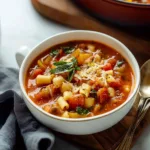
Classic Minestrone Soup
- Total Time: 50
- Yield: 6 servings 1x
- Diet: Vegan
Description
This classic minestrone soup is a hearty, nourishing dish that feels like a warm hug. It features a tomato-based broth packed with tender vegetables, protein-rich beans, and delicate pasta. Perfectly adaptable and made in a single pot, this rustic Italian-inspired soup is an effortless way to enjoy a clean, healthy meal that satisfies everyone at the table.
Ingredients
4 tablespoons extra-virgin olive oil
1 medium yellow onion, finely chopped
2 medium carrots, chopped into coins
2 ribs celery, chopped
4 cloves garlic, minced
1/4 cup tomato paste
2 cups seasonal vegetables, such as diced zucchini or potatoes
1 can (15 oz) cannellini beans, rinsed and drained
1 can (14.5 oz) diced tomatoes
6 cups vegetable broth
1 teaspoon dried oregano
1/2 cup small shell pasta
2 cups fresh baby spinach
Salt and pepper to taste
Fresh parsley for garnish
Instructions
Heat 3 tablespoons of olive oil in a large pot over medium heat.
Add the onion, carrots, and celery, sautéing until softened about 5-7 minutes.
Stir in the garlic and tomato paste, cooking for 2 minutes to deepen the flavor.
Add the seasonal vegetables, beans, diced tomatoes with their juices, vegetable broth, and oregano.
Bring the soup to a boil, then reduce heat and simmer for 15 minutes.
Stir in the pasta and cook until the pasta and vegetables are tender, about 8-10 minutes.
Turn off the heat, stir in the fresh spinach until wilted, and season with salt and pepper.
Drizzle with the remaining tablespoon of olive oil and garnish with fresh parsley before serving.
Notes
Store leftovers in an airtight container for up to 4 days. If the soup thickens too much in the fridge, add a small splash of broth when reheating. Feel free to swap beans or seasonal vegetables based on what you have in your pantry.
- Prep Time: 15
- Cook Time: 35
- Category: Dinner
- Method: Stovetop Simmering
- Cuisine: Italian-inspired
Nutrition
- Serving Size: 1.5 cups
- Calories: 210
- Sugar: 6g
- Sodium: 650mg
- Fat: 8g
- Saturated Fat: 1g
- Carbohydrates: 32g
- Fiber: 8g
- Protein: 7g
- Cholesterol: 0mg