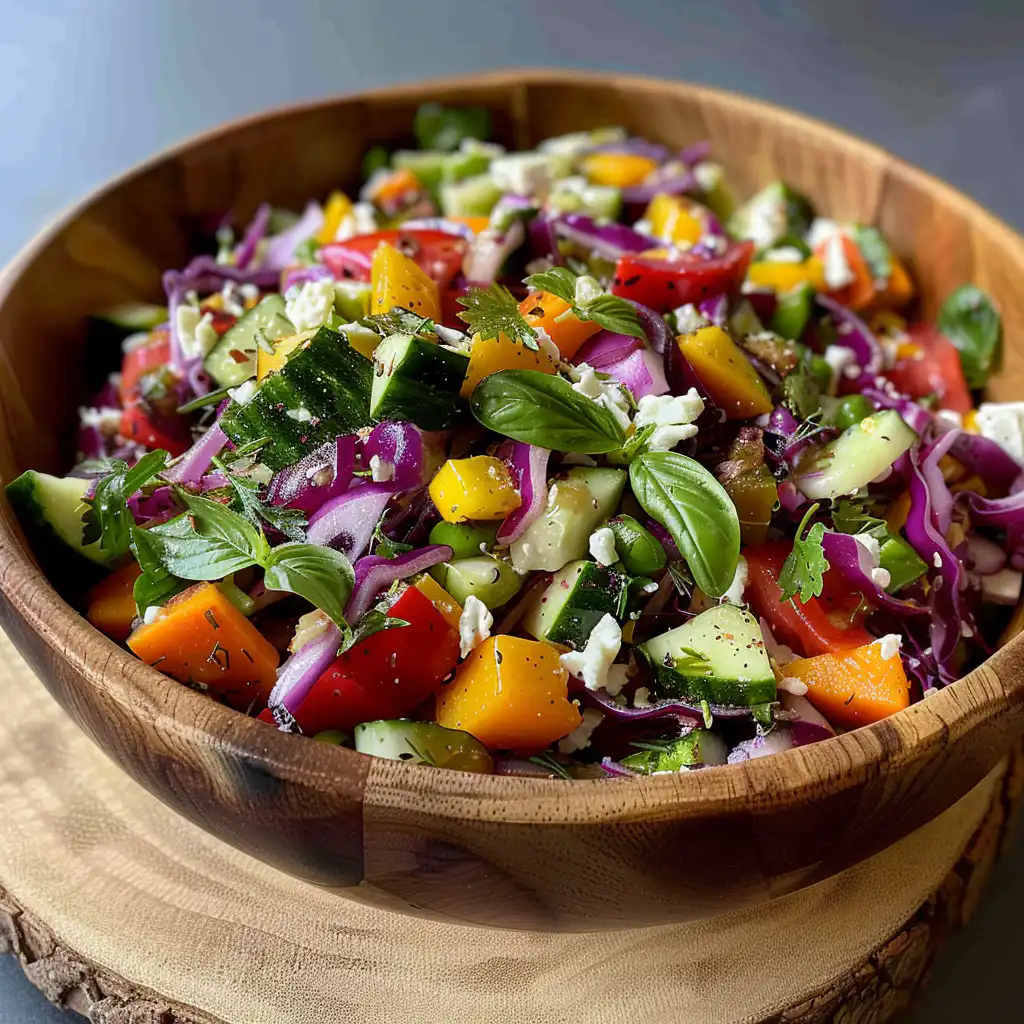
Marinated Vegetable Salad is more than just a side—it’s a vibrant, flavorful feast for the senses. Bursting with color and nutrients, this dish brings together crisp raw vegetables bathed in a tangy, homemade dressing that lets the earthy sweetness of the vegetables shine. Whether you’re a fan of sides that steal the spotlight or a health-conscious home cook craving a satisfying meal, this salad delivers. The key to its magic? A simple marination process that tenderizes the veggies while infusing them with bold, balanced flavors. Let’s dive into why this dish is a must-make for your next gathering or quick weeknight dinner.
Marinated Vegetable Salad is a celebration of fresh, colorful produce paired with a zesty dressing that doubles as a marinade. The combination of textures—from crunch to creamy cheese—and the interplay of sweet, tangy, and savory notes make it a crowd-pleaser. This salad isn’t just easy to make; it’s a versatile canvas you can customize with your favorite extras. From organizing your pantry to tossing the ingredients together, it’s a recipe that feels like a shortcut to gourmet while staying rooted in comfort.
What is Marinated Vegetable Salad?
Marinated Vegetable Salad is a refreshing dish where raw vegetables are dressed with a flavorful vinaigrette and left to sit until the flavors meld. Originating from a wave of American light fare recipes, this salad leans into the idea of transforming basic ingredients into something special with time and technique. The base is typically a mix of sturdy vegetables—think cauliflower, broccoli, and cabbage—for structure and crunch, paired with tender tomatoes and onions. The dressing, usually a blend of oil, vinegar, and herbs or seasonings, cements the dish as a perfect balance of acidity and richness.
What sets this salad apart is its simplicity and adaptability. It’s not about fancy prep; it’s about letting the ingredients sing. The marination step is key, allowing the dressing to tenderize less-firm veggies and brighten their natural flavors. This makes it ideal for meal preppers, lazy Sundays, or a side that elevates any main course.
Reasons to Try Marinated Vegetable Salad
First, it’s a powerhouse of nutrients. Packed with vitamins (A, C, K) and fiber from colorful vegetables like carrots, broccoli, and cabbage, this salad supports digestion, immunity, and heart health. The olive oil in the dressing adds healthy fats, while the cheese provides a boost of protein. Second, it’s a breeze to make—not just for home cooks but for anyone juggling a busy schedule. Most of the waiting time happens while it’s marinating, so you’re left with a vibrant, ready-to-eat dish.
Third, the versatility is endless. Serve it as a light lunch, a side to grilled chicken or fish, or even as a binder for grain bowls. With a bit of creativity, you can experiment with add-ins like avocado for creaminess or black beans for protein. Whether you’re a beginner or a seasoned chef, this recipe is a go-to for its forgiving nature and restaurant-quality results.
Ingredients Needed to Make Marinated Vegetable Salad
- 1 pint cherry tomatoes, halved
- 1 1/2 cups chopped carrots
- 1 yellow bell pepper, chopped
- 1 1/2 cups broccoli florets
- 1/2 bunch asparagus, cut into 1/2-3/4-inch pieces
- 1/2 cup diced red onion
- 1 1/2 cups chopped red cabbage
- 1 1/2 cups cauliflower florets
- 8 ounces pepper jack cheese, cubed
- 1/2 cup olive oil (preferably extra virgin olive oil for bold flavor)
- 2 tablespoons apple cider vinegar (or white wine vinegar)
- 1 tablespoon Dijon or deli mustard (or gluten-free alternative)
- 1 1/2 teaspoons lemon juice (freshly squeezed)
- 1 tablespoon ranch seasoning (or Italian seasoning for a twist)
- 1/2 teaspoon salt
- 1/2 teaspoon black pepper
Instructions to Make Marinated Vegetable Salad – Step by Step
Step 1: Start by gathering and prepping your vegetables. Wash and chop everything except the tomatoes. Cherry tomatoes can stay intact but should be halved for better dressing adherence. Use a sharp knife to slice the carrots into thin rounds (no peeling! The skin adds texture and color). Dice the yellow pepper into bite-sized pieces, and snap the asparagus spears to remove the tough ends once you’ve cut them into smaller, edible segments. For the red onion, slice thinly and dice to avoid overwhelming the salad with its strong flavor.
Step 2: In a large mixing bowl, combine the tomatoes, carrots, yellow pepper, broccoli, asparagus, red onion, red cabbage, and cauliflower. Add the cubed pepper jack cheese now or later—either works, but adding it during tossing ensures it gets evenly coated in the dressing.
Step 3: For the dressing, whisk together olive oil, apple cider vinegar, Dijon mustard, lemon juice, ranch seasoning, salt, and pepper in a separate bowl. Alternatively, pour the ingredients into a jar with a tight-fitting lid and shake vigorously until emulsified. The goal is a thick, silky dressing that clings to the vegetables and cheese. Taste a spoonful and adjust the salt or vinegar if needed—this is your moment to balance tanginess and richness.
Step 4: Pour the dressing over the vegetable mixture. Using tongs or a large spoon, toss everything until the vegetables are evenly coated. The dressing should look glossy, and the cheese pieces should seem “wrapped” in the oils from the dressing. Cover the bowl with plastic wrap or a lid and refrigerate for at least 2 hours. This step is crucial! Marination allows the dressing’s acidity to soften the veggies slightly, drawing out their natural sweetness while infusing them with flavor. For the best texture, don’t exceed 8 hours in the fridge—otherwise, the vegetables may become too tender.
Step 5: When ready to serve, give the salad a final toss to redistribute the flavors. If the cheese has softened during marination, it’ll add a creamy contrast that complements the crispy veggies. For extra zing, drizzle on a little additional vinegar or lemon juice before serving. Serve chilled or at room temperature, depending on your preference. It pairs beautifully with grilled meats, fish, or a simple grain like quinoa for a heartier meal.
Chef’s Tips for a Perfect Result
- Use fresh but not overly ripe vegetables: Vegetables that are too firm (like overcooked broccoli) will resist the dressing’s acidity and marination step. Aim for mid-ripeness for optimal texture.
- Don’t skip the marination time: Even 2 hours makes a difference in how vibrant and balanced the salad feels. I’ve learned this the hard way after once going too fast and ending up with a meh dish.
- Balance the dressing consistency: If the dressing seems too oily for your taste, add a teaspoon of honey or a splash more vinegar to lighten it up.
- Try different cheeses: Pepper jack isn’t the only option. Feta or provolone can add a salty punch, while goat cheese introduces a tangy, creamy contrast.
- Add crunch at the end: Sider around a mile of green onions, toasted nuts, or seeds just before serving to give the salad more texture variety, especially if you’ve let it marinate for a while.
- Label it for leftovers: If you’re storing the salad for later, note the marination time on the container so you don’t forget when to stop it from getting soggy.
Variations and Substitutions
- Vegan Option: Swap pepper jack cheese for crumbled tofu marinated in nutritional yeast, and use a vegan ranch seasoning in the dressing. The flavor still holds up—trust me, I’ve tested this with my family.
- Gluten-Free Alternative: Use a gluten-free Dijon mustard and verify the ranch seasoning is certified gluten-free. Most store-bought options now label these requirements clearly.
- Low-Carb Version: Skip the red cabbage and carrots for fewer carbs. Add more cauliflower and asparagus for volume and texture. The protein from the cheese or added tofu keeps it filling.
- Budget Swap: Replace the cherry tomatoes with purple cabbage for color and crunch. It’s a cost-effective switch with similar benefits but a different festive flair that works well in clear glass bowls for presentations.
- Lettuce Add-In: Toss in a handful of romaine or arugula for a lighter, leafy base. This adds extra freshness and makes the salad feel like a full meal.
- Exotic Twist: Include grated ginger and rice vinegar in the dressing for an Asian-inspired twist. It’s perfect for picnics or outdoor gatherings with a tropical vibe.
How to Serve and Pair
Marinated Vegetable Salad shines when presented thoughtfully. Serve it in a clear glass bowl or oversize platter to highlight its vibrant colors. Garnish with a few whole cherry tomatoes and a sprinkle of parsley for extra presentation appeal. For a rustic presentation, use a wooden board and arrange the salad in a loose mound with the cheese pieces on top.
The salad pairs beautifully with grilled chicken or salmon—preferably lemon-herb marinated for added freshness. For a plant-based meal, serve it with falafel or a baked tofu patty. It also goes well with creamy soups like hummus or Greek baba ghanoush as part of a Mediterranean spread. When entertaining, this salad works as both a side and a standalone dish with a good baguette or pita on the table.
Storage and Reheating
Refrigerator
Store in an airtight container for up to 3 days. The marination time begins when the dish is made, so some texture softening is expected. The cheese will remain creamy but can become slightly soggier after 24 hours.
Freezer
Not recommended. Freezing disrupts the salad’s texture, turning the vegetables soggy and the cheese rubbery. Save any leftovers for a short-term storage window.
Room Temperature
Uncovered, this salad will stay fresh at room temperature for up to 4 hours. However, marinating it on the counter defeats the cooling effect and could spoil the veggies in hot climates.
Reheating
Avoid full reheating unless you want a pasta salad texture. Instead, serve chilled or bring to room temperature for a few minutes before eating. For a quick revamp, add a splash of vinegar and lemon juice to burst the flavors back to life.
Nutritional Values
- Calories: 161 kcal
- Protein: 6 g
- Carbohydrates: 7 g
- Fat: 13 g
- Fiber: 2 g
*Approximate values.
Frequently Asked Questions
Can I substitute the cherry tomatoes with another vegetable?
Absolutely! Purple cabbage or sliced bell peppers can replace the tomatoes for a similar burst of color and mouthfeel. Just adjust the vinegar in the dressing to balance out any added sweetness.
How do I tell if the vegetables are marinated long enough?
The marinated vegetables should feel slightly softened but still crisp (think of a slightly wilved but firm coleslaw). The flavor should taste well-blended, with no dry streaks of dressing visible on the vegetables.
Why are my vegetables turning brown after marinating?
Browning is likely due to over-marinating. Stick to 2-8 hours and check on the texture halfway through. If browned patches appear, trim them before serving for a fresher look.
Can I make this salad a day ahead?
Yes! It’s ideal for make-ahead planning. Toss everything (except the cheese if using it for rigidity) and refrigerate the dressing separately. Combine them just before serving to maintain the cheese’s firmness and spread appeal.
What’s the best way to customize this salad for a party?
Layer it in a clear bowl or arrange the ingredients in a spiral for visual impact. Add a sprinkle of fresh herbs like dill or cilantro before serving for extra flavor and garnish flair. It’s a crowd-pleaser with minimal effort!
Conculsion
In summary, Marinated Vegetable Salad is a refreshing, nutrient-packed dish that brings together simple ingredients into something unforgettable. Whether you make it for a quick weeknight dinner or a festive spread, it’s guaranteed to impress. The tangy dressing and vibrant textures create a flavor profile so inviting, it’s hard to resist even when you’re not hungry. Just one bite, and you’ll understand why this salad keeps coming back to the table—again and again.
Print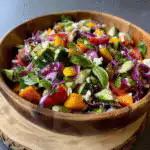
Marinated Vegetable Salad
- Total Time: 120
- Yield: 8 servings 1x
- Diet: Vegetarian
Description
A vibrant, tangy salad with crisp vegetables and a homemade vinaigrette. Packed with color, nutrients, and bold flavors, this adaptable dish shines as a side or light meal. Let marination work its magic for a quick, gourmet feel.
Ingredients
1 head green cabbage, shredded
1 medium carrot, julienned
1 cup broccoli florets
1 cup cauliflower florets
1 red bell pepper, sliced
1 cup cherry tomatoes, halved
1 small red onion, thinly sliced
1/4 cup olive oil
2 tablespoons red wine vinegar
1 tablespoon Dijon mustard
1 tablespoon honey
1 clove garlic, minced
1 teaspoon dried dill
Salt and pepper to taste
Optional: 1 cup crumbled feta cheese
Instructions
Shred cabbage and julienne carrot; cut broccoli and cauliflower into florets, slice red bell pepper, halve cherry tomatoes, and thinly slice red onion.
Whisk olive oil, red wine vinegar, Dijon mustard, honey, minced garlic, dill, salt, and pepper in a large bowl.
Add vegetables to the dressing, ensuring even coating.
Marinate for at least 1 hour or up to 4 hours in the refrigerator.
Stir before serving. Optional: fold in feta cheese 15 minutes before serving.
Notes
For a creamier texture, add 1 avocado after marinating.
Store leftovers in an airtight container for 2-3 days.
Adjust sweetness with more honey or acidity with extra vinegar to taste.
- Prep Time: 20
- Category: Dinner
- Method: Marinating
- Cuisine: American
Nutrition
- Serving Size: 1 cup
- Calories: 130
- Sugar: 3g
- Sodium: 100mg
- Fat: 6g
- Saturated Fat: 1g
- Carbohydrates: 10g
- Fiber: 3g
- Protein: 2g
- Cholesterol: 0mg