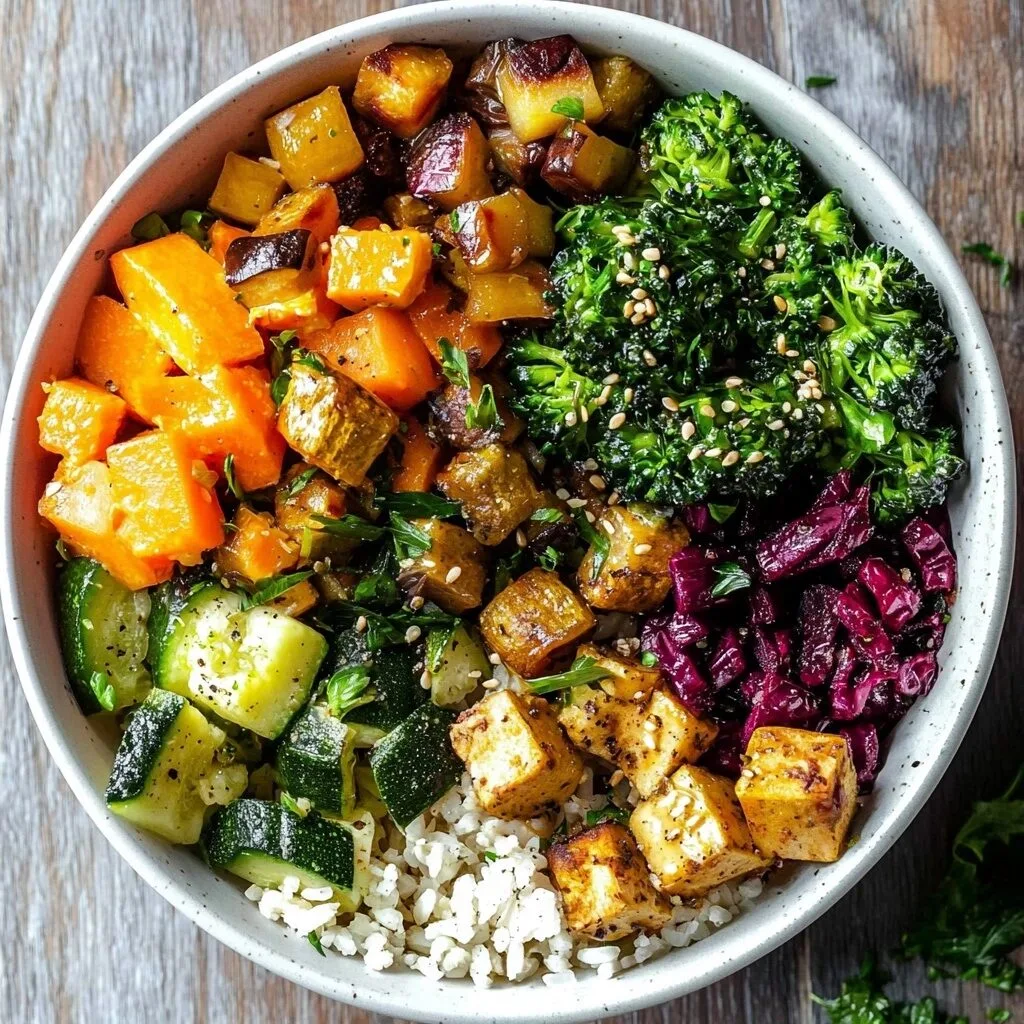
Winter Veggie Power Bowl
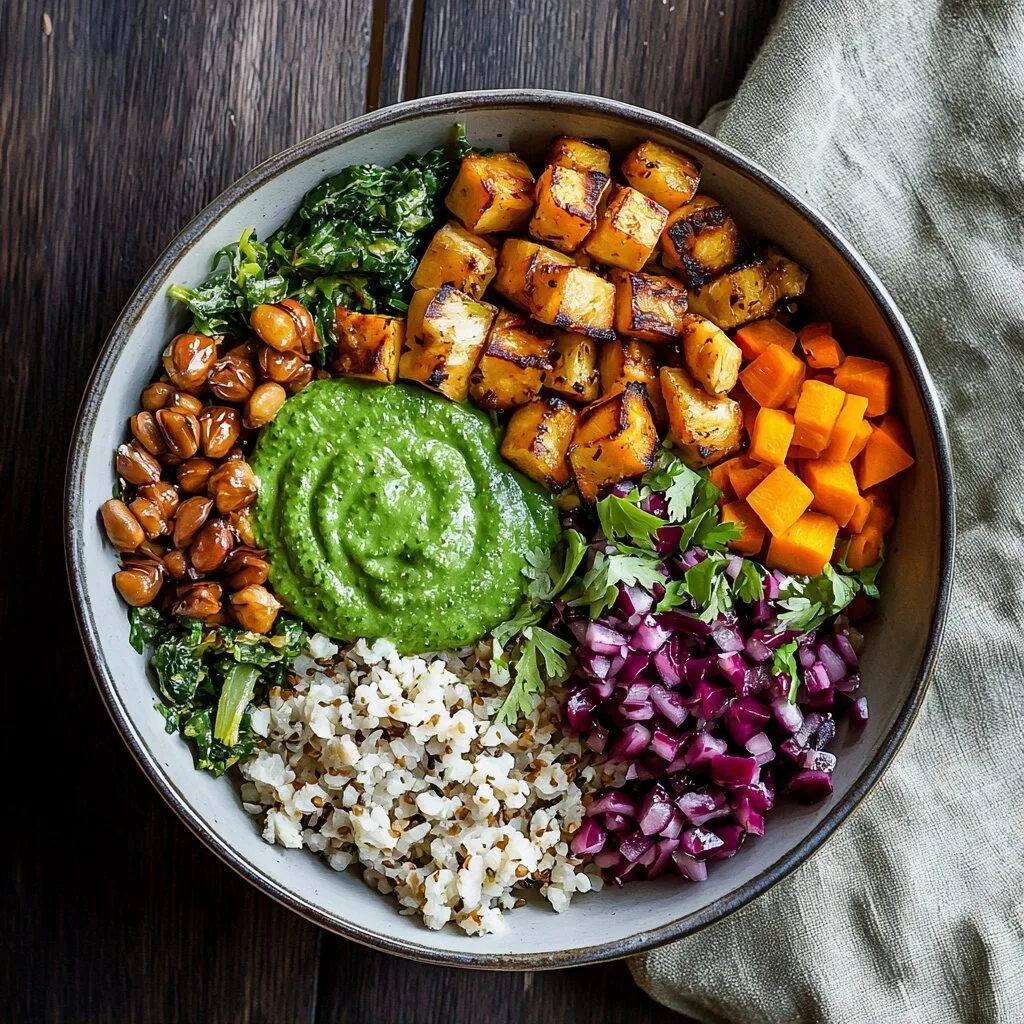
A Winter Veggie Power Bowl is the ultimate way to embrace seasonal produce while keeping your energy levels steady throughout the chilly months. This vibrant dish combines the earthy sweetness of roasted butternut squash, beets, and parsnips with the satisfying crunch of walnuts and the bright zip of a homemade tahini dressing. It is the kind of meal that makes you feel nourished from the inside out, perfect for when you need something wholesome but crave a little bit of comfort.
Creating a Winter Veggie Power Bowl in your own kitchen is a true joy, especially when you realize how simple it is to transform basic root vegetables into a restaurant-quality meal. Whether you are meal prepping for a busy work week or just want a colorful dinner that packs a punch, this recipe is designed to be as flexible as it is flavorful.
What is a Winter Veggie Power Bowl?
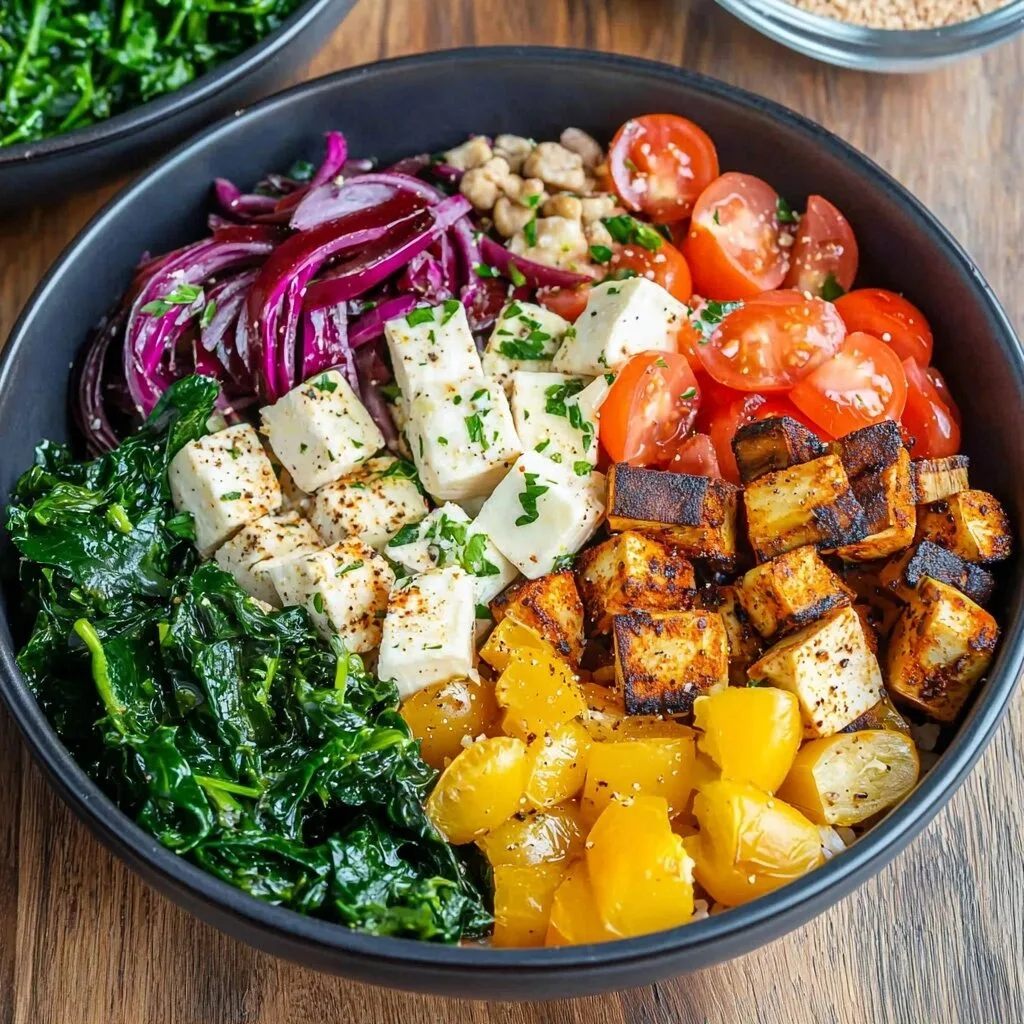
At its core, a Winter Veggie Power Bowl is a nutrient-dense collection of roasted seasonal vegetables, fresh greens, and a protein-packed dressing that brings everything together. Unlike light summer salads that rely on crisp lettuce and raw produce, this bowl leans into the hearty, warming flavors of winter root vegetables. It is built to be a standalone main course, providing a perfect balance of fiber, healthy fats, and complex carbohydrates.
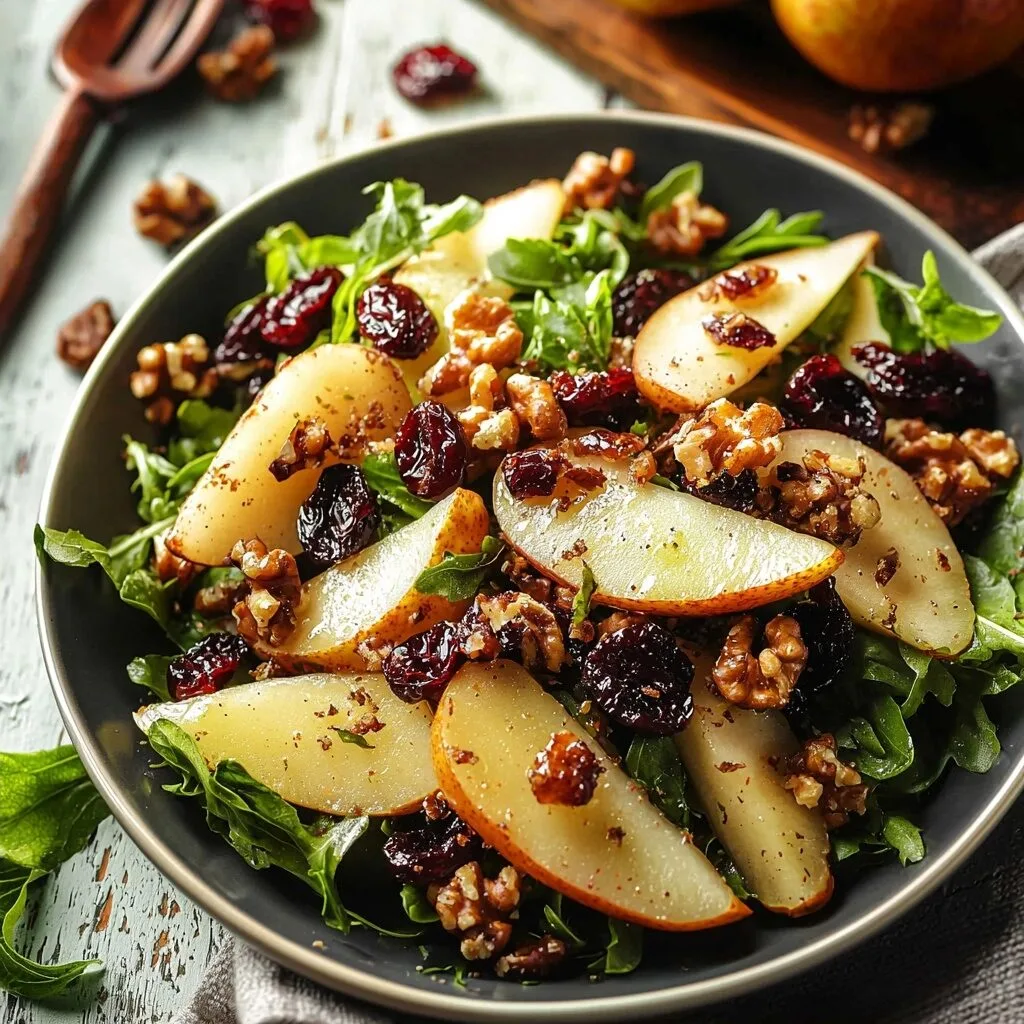
The beauty of this bowl lies in the contrast of textures and temperatures. You have the tender, caramelized edges of the roasted veggies paired with the fresh, massaged kale and the occasional pop of tartness from dried cranberries. It draws inspiration from modern plant-based eating, where the goal is to make every bite satisfying and nutritionally complete without needing any complex culinary skills.
Reasons to Try Winter Veggie Power Bowl
If you are looking for an easy, high-nutrient meal, this bowl is your best friend. It is incredibly friendly for beginners because the cooking process is very forgiving; if your squash gets a little extra crispy in the oven, it just adds more flavor. It is a fantastic way to introduce more plant-based variety into your diet without feeling like you are restricted or missing out on satisfying textures.
This recipe is also a lifesaver for busy families. You can roast a large tray of vegetables at the beginning of the week and have a base ready for quick lunches or dinners in minutes. Because it is naturally gluten-free and vegan, it is an ideal dish to serve when you have guests with different dietary preferences, as it feels special and intentional rather than just a side salad.
Ingredients Needed to Make Winter Veggie Power Bowl
- 2 tablespoons avocado oil (divided)
- 3 cups butternut squash, peeled and cubed (ensure uniform sizes)
- 2 cups parsnips, peeled and cubed
- 1 teaspoon garlic powder
- 2 cups beet, peeled and cubed
- 1/2 teaspoon cumin
- 6 cups kale, stems removed and roughly chopped
- 1/3 cup walnuts, roughly chopped
- 1/3 cup dried cranberries
- 1 small avocado, sliced
- Salt and pepper to taste
- For the dressing: 2 tablespoons tahini, 2 tablespoons coconut aminos, 1 tablespoon lemon juice, 1 teaspoon apple cider vinegar, 1/4 teaspoon ground ginger, 1/4 teaspoon garlic powder, 1/2 teaspoon red pepper flakes
Instructions to Make Winter Veggie Power Bowl – Step by Step
Step 1: Start by preheating your oven to 375 degrees Fahrenheit and lining one or two large baking sheets with parchment paper. Proper spacing is the secret to getting a nice roast rather than a steam, so do not crowd the pan.
Step 2: In a medium mixing bowl, toss your butternut squash and parsnips with one tablespoon of avocado oil, garlic powder, salt, and pepper. Spread these out on your baking sheet. In the same bowl, toss the cubed beets with the remaining oil, cumin, and seasoning, then add them to the sheet. Roast for 35 to 40 minutes, checking halfway through to ensure everything is getting tender and fork-friendly.
Step 3: While the oven does the heavy lifting, place your chopped kale in a large mixing bowl. Add a tiny drizzle of oil and a pinch of salt, then use your clean hands to massage the kale for a minute or two until it turns dark green and soft. This simple step removes the tough texture of raw kale and makes it much more enjoyable.
Step 4: Whisk all your dressing ingredients together in a small jar or bowl. If you find the tahini is a bit thick, add a teaspoon of water at a time until you reach your favorite consistency. Taste and adjust the seasoning if you need more zing from the vinegar or extra heat from the pepper flakes.
Step 5: Assemble your bowls by dividing the massaged kale, warm roasted vegetables, walnuts, and cranberries among three plates. Top each portion with fresh avocado slices and a generous drizzle of your tahini dressing. Give it a gentle toss and dig in while the veggies are still warm.
Chef’s Tips for a Perfect Result
- Cut your root vegetables into uniform sizes to ensure they finish roasting at the same time.
- Do not skip the kale massage; it breaks down the fibrous walls of the leaves for a much silkier texture.
- Use room temperature tahini if possible, as it emulsifies much smoother with the lemon juice and vinegar.
- If you want extra crunch, lightly toast your walnuts in a dry pan for two minutes before topping your bowl.
- Keep the skin on your beets if you prefer a more rustic, earthy profile, just scrub them well first.
Variations and Substitutions
- Vegan Option: This recipe is already fully plant-based and vegan-friendly.
- Gluten-Free Alternative: Ensure your coconut aminos are certified gluten-free, though most are naturally safe for those with sensitivities.
- Budget Swap: If walnuts are out of season or expensive, toasted sunflower seeds or pumpkin seeds make an excellent, budget-friendly alternative.
- Low-Carb Version: Replace the parsnips with extra cauliflower florets or radishes, which roast beautifully and offer a lower carbohydrate profile.
How to Serve and Pair
These bowls are best served warm, as the contrast between the roasted squash and the fresh kale is the star of the show. If you are serving this for a larger dinner party, consider setting out the components in separate bowls and letting your guests assemble their own. For a complete meal, pair this with a side of warm quinoa or a light lentil soup.
Storage and Reheating
Refrigerator: Store the roasted vegetables and kale separately in airtight containers for up to three days. Keep the dressing in a sealed glass jar.
Freezer: It is not recommended to freeze the kale or avocado, but the roasted root vegetables freeze well in a freezer-safe bag for up to one month.
Reheating: Gently warm the roasted vegetables in the oven at 300 degrees Fahrenheit until just heated through. Avoid the microwave if possible, as it tends to make the squash a bit mushy.
Nutritional Values
- Calories: 521 kcal
- Protein: 10g
- Carbohydrates: 63g
- Fat: 28.5g
- Fiber: 18.5g
- Approximate values per serving.
Frequently Asked Questions (FAQ)
Can I substitute the butternut squash with sweet potatoes?
Yes, sweet potatoes are a fantastic substitute that mimics the natural sweetness and texture of butternut squash perfectly in this recipe.
How can I tell if the root vegetables are finished roasting?
Your vegetables are done when they are fork-tender, meaning a fork slides into the center of the largest piece of beet or parsnip with no resistance.
Why is my dressing clumping together?
If your dressing clumps, it is likely the tahini being too cold or thick; simply add a tablespoon of warm water and whisk vigorously until it emulsifies.
Can I prepare these bowls ahead of time for work lunches?
Yes, this recipe is perfect for meal prep, but wait to add the dressing and the fresh avocado until right before you eat to keep everything fresh.
What is the best way to customize this bowl for more protein?
Adding chickpeas, cooked quinoa, or grilled chicken breast are excellent ways to boost the protein content and make the meal even more filling.
Conclusion
The Winter Veggie Power Bowl proves that healthy eating can be incredibly comforting and deeply satisfying. Whether you are a seasoned cook or just starting your culinary journey, this recipe offers a simple path to a nutrient-packed meal that celebrates the best of seasonal flavors. Give it a try this week and experience how the combination of roasted earthiness and creamy tahini makes for a truly irresistible dining experience in the comfort of your own home.
Print
Winter Veggie Power Bowl
- Total Time: 45
- Yield: 4 servings 1x
- Diet: Vegan, Gluten-Free
Description
A nourishing and vibrant bowl that celebrates the best of seasonal root vegetables. This hearty dish features tender, roasted butternut squash, beets, and parsnips served over a bed of fresh kale, finished with the satisfying crunch of walnuts and a tangy, homemade tahini dressing. Naturally vegan and gluten-free, this bowl offers a perfect balance of earthy sweetness, complex carbohydrates, and healthy fats, making it an ideal wholesome main course for chilly winter days.
Ingredients
2 tablespoons avocado oil
3 cups butternut squash, peeled and cubed
2 cups parsnips, peeled and cubed
2 cups beets, peeled and cubed
1 teaspoon garlic powder
1/2 teaspoon ground cumin
6 cups kale, stems removed and chopped
1/2 cup walnuts, toasted
1/4 cup dried cranberries
1/4 cup tahini
1 tablespoon lemon juice
1 tablespoon maple syrup
2 tablespoons warm water
Instructions
Preheat your oven to 400°F (200°C).
On a large baking sheet, toss the cubed butternut squash, parsnips, and beets with the avocado oil, garlic powder, and cumin until evenly coated.
Spread the vegetables in a single layer and roast for 25-30 minutes, or until tender and slightly caramelized.
While vegetables roast, whisk together the tahini, lemon juice, maple syrup, and warm water in a small bowl until smooth.
Massage the kale with a tiny bit of olive oil or dressing until softened.
Divide the kale into bowls and top with the roasted vegetables.
Sprinkle with walnuts and dried cranberries.
Drizzle the tahini dressing over each bowl and serve warm.
Notes
Feel free to swap walnuts for pumpkin seeds for a nut-free option. Roast extra vegetables in advance to make assembly for future meals even faster. Store leftover dressing in an airtight container in the refrigerator for up to 5 days.
- Prep Time: 15
- Cook Time: 30
- Category: Dinner
- Method: Roasting
- Cuisine: Modern Plant-Based
Nutrition
- Serving Size: 1 bowl
- Calories: 350
- Sugar: 12g
- Sodium: 180mg
- Fat: 18g
- Saturated Fat: 2g
- Carbohydrates: 42g
- Fiber: 9g
- Protein: 8g
- Cholesterol: 0mg